
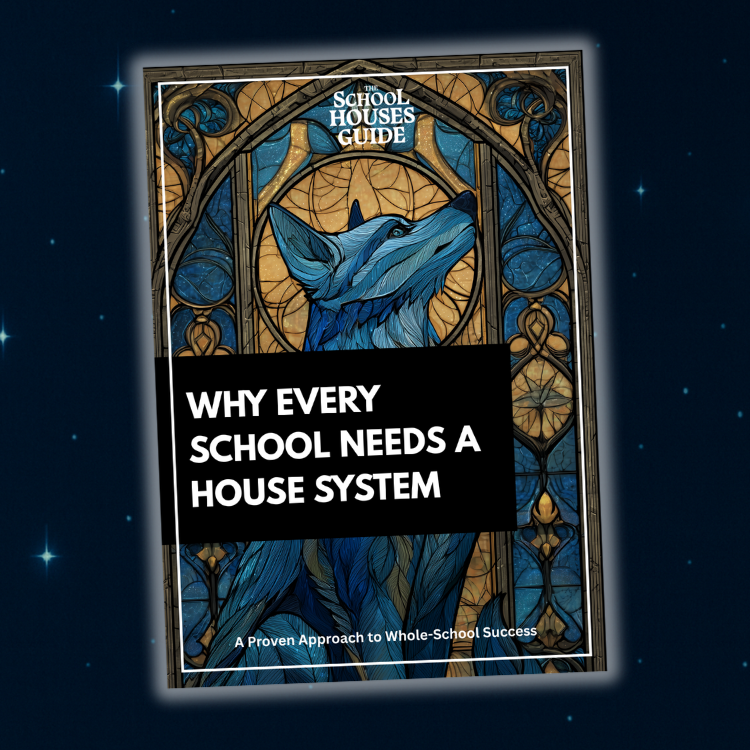
Schools today face an ongoing challenge: how do we build a culture where every child feels seen, valued and motivated, not only academically but socially and emotionally? One of the most effective ways to achieve this is also one of the simplest to introduce. A well-designed House system brings belonging, purpose and positive energy into the daily life of a primary school.
If your school does not have a House system yet, or if yours has lost momentum over time, now is the perfect moment to establish one. For an overview of how a modern House system can be structured, you may wish to read School House System Ideas: The Complete Guide for Primary Schools.

A House System Builds Community and Belonging
Children thrive when they feel part of something bigger than themselves. Houses create smaller communities within the school, bringing pupils of different ages together under a shared identity. This sense of belonging directly supports wellbeing, behaviour and motivation. When a pupil proudly says “I’m in Maluhia” or “I’m part of Kebaikan,” they feel connected and represented.
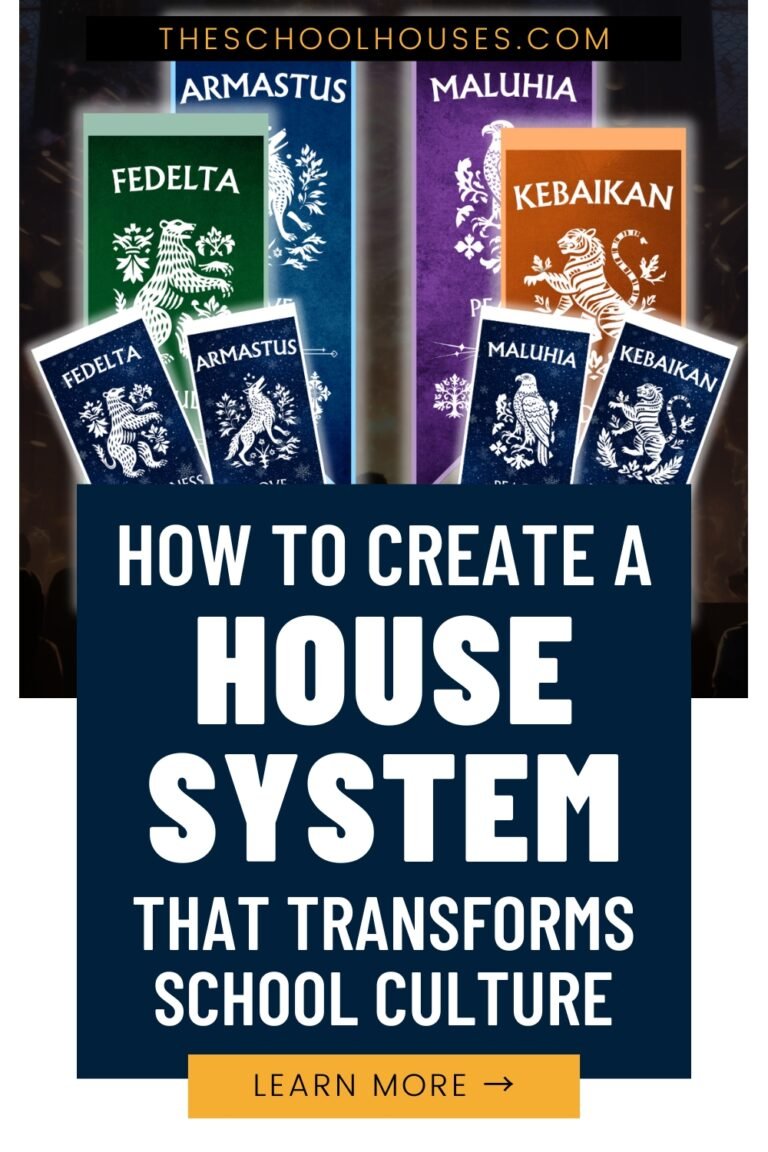
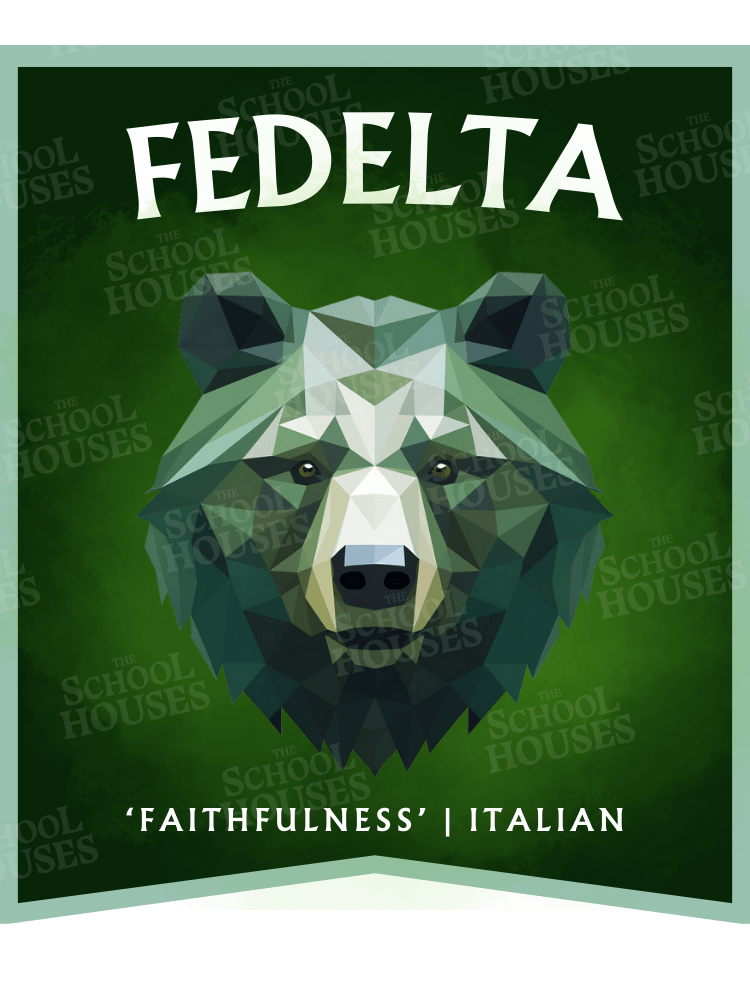
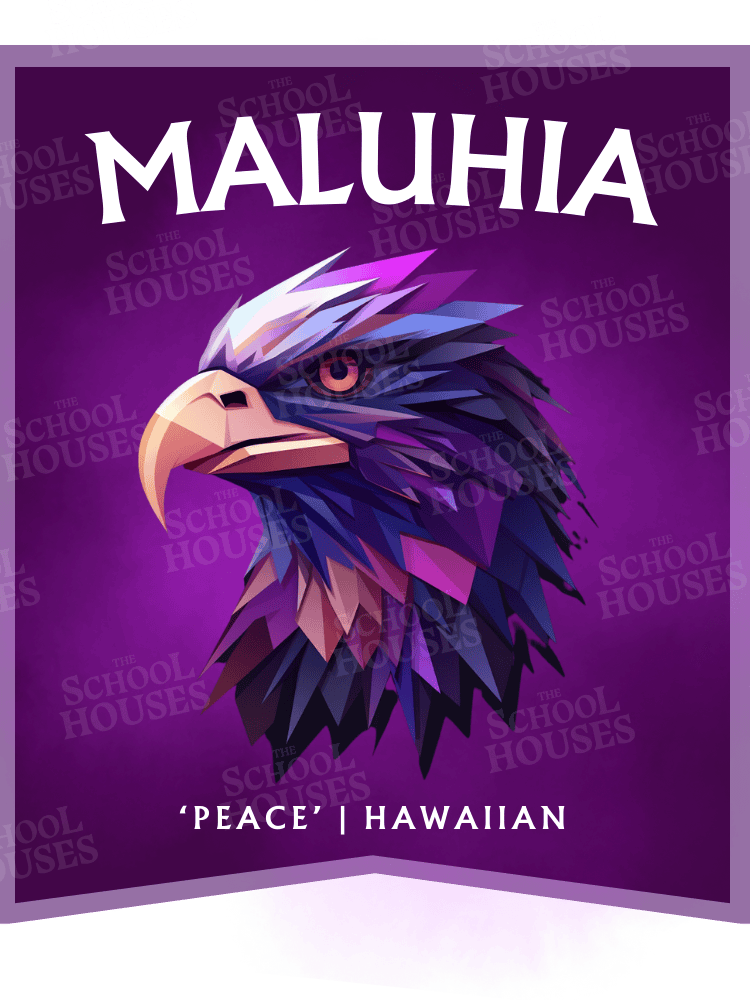
The Guardian Houses—Maluhia (Peace), Armastus (Love), Fedelta (Faithfulness) and Kebaikan (Kindness)—are specifically designed to support this sense of connection. Each House is rooted in a value that pupils can understand immediately, and these values help shape the wider culture of the school. To read more about the origins of these names, see Why Our Guardian House Names Are Rooted in Global Values.
It Motivates Through Healthy, Positive Competition
Competition in primary schools should be uplifting. A good House system encourages teamwork, effort and character rather than creating pressure. House points recognise the full range of positive choices children make throughout the day. Because their decisions contribute to the success of their House, pupils quickly learn that every act of kindness, perseverance or helpfulness makes a difference.
Weekly announcements, celebration assemblies, colourful displays and an end-of-year House Cup keep momentum high. For competition ideas that work across the whole school year, you may find 17 House Competition Ideas to Boost Team Spirit helpful.
It Celebrates the Whole Child
Academic achievement matters, but schools know that courage, creativity, empathy, imagination, responsibility and resilience are equally important. A House system recognises all of these areas. Through sports days, kindness missions, reading challenges, art weeks, spelling events and teamwork tasks, pupils experience success in ways that traditional assessments cannot capture.
Every child finds a moment where their strengths matter. This is one of the most powerful effects of a House system, especially when competitions are varied and carefully planned. More guidance on balancing competitions can be found in How to Create a House System That Transforms School Culture.
It Strengthens Character Education
Many schools want to embed character education but struggle to make it consistent. A House system provides the framework to make values visible every day. By linking Houses to values such as Peace, Love, Kindness and Faithfulness, pupils see these qualities in action around the school. The values stop being abstract ideas and become part of real decision-making.
Schools using the Guardian System emphasise that values inspire behaviour rather than define identity. All pupils can show the full range of values, and praise is directed at the behaviour itself, not the House label.
It Makes Behaviour Management More Positive
A values-led House system shifts the emphasis from sanctions to recognition. Instead of focusing solely on what has gone wrong, staff celebrate what is going well. Pupils see that positive choices help their House and influence the school environment.
This approach makes classroom conversations more positive and lifts the emotional climate of the school. For examples of how House systems support behaviour, you may wish to read Using House Systems to Improve Behaviour Across the School.
It Is Easy to Start and Can Transform a School Year
The most encouraging part of implementing a House system is that it does not require expensive software or extensive planning. What it does require is clarity, consistency and a launch strategy that builds enthusiasm among staff and pupils.
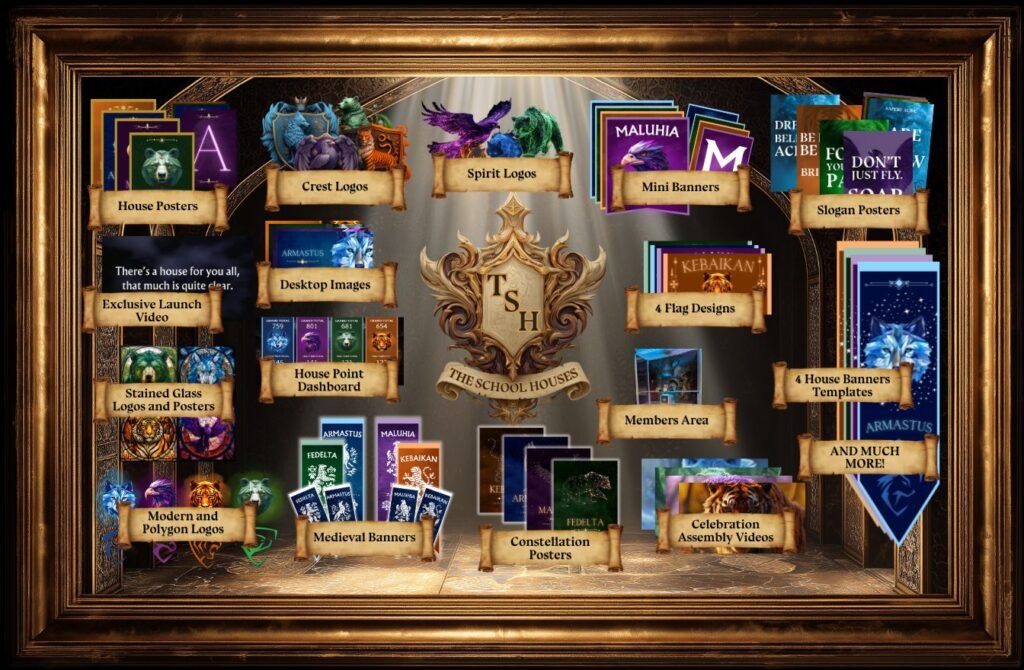
Schools that adopt the Guardian System gain an immediate advantage because the structure, values, logos, colours and identity are already established. This saves hours of design and decision-making and allows staff to focus on implementation rather than creation. If your current system feels outdated, you may find How to Redesign an Outdated House System useful.
Free Starter Resources
To support schools getting started, a free introductory guide is available. It includes:
- The four essential components of an effective House system
- The most common mistakes schools make and how to avoid them
- Ready-to-use ideas for competitions, rewards and point systems
- A simple checklist to help you launch in a few weeks
- Examples of logos, displays and branding that inspire pupils immediately
If you would like a step-by-step overview of how to launch quickly and confidently, you may find this helpful: How to Launch a House System in One Week.