
A well-designed House system can do far more than organise sports day or distribute occasional points. When it is built with intention, it becomes a powerful driver of school culture, shaping behaviour, strengthening relationships and giving children a deep sense of belonging. Many schools begin with good intentions but end up with a system that feels flat, inconsistent or disconnected from everyday life.
The key to transformation is not clever names or attractive colours. It is building something meaningful, consistent and easy for pupils and staff to understand. This is why the Guardian System has proven so effective for schools. It removes the uncertainty and provides a complete framework centred on values that genuinely change the way a school feels.

If you need an overview of how a House system works at a practical level, you may wish to read School House System Ideas: The Complete Guide for Primary Schools.
Start With Values That Matter
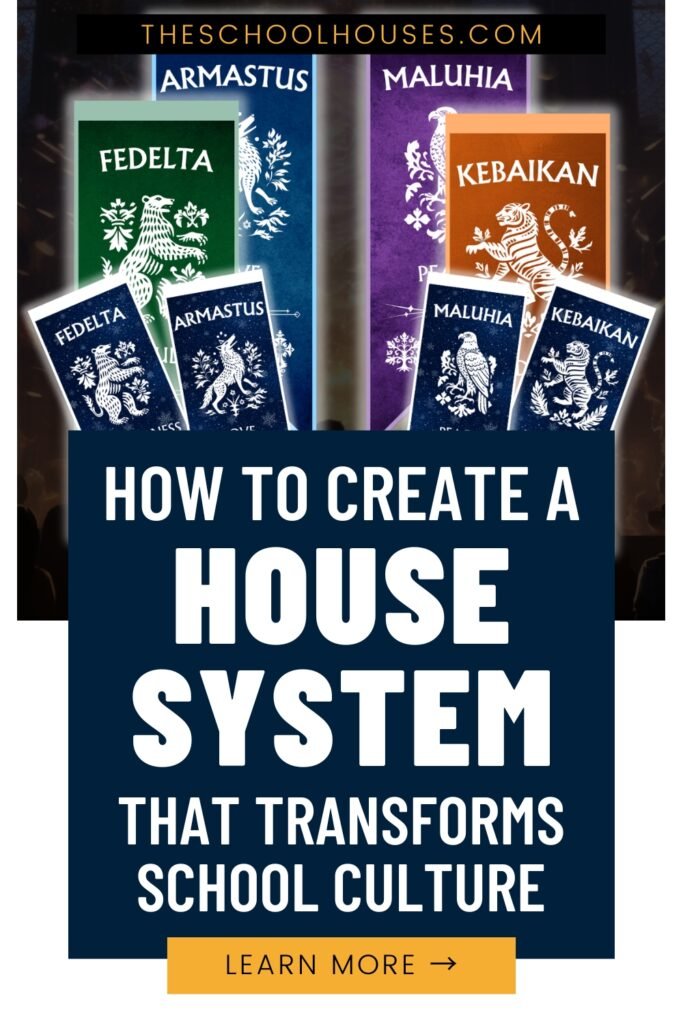
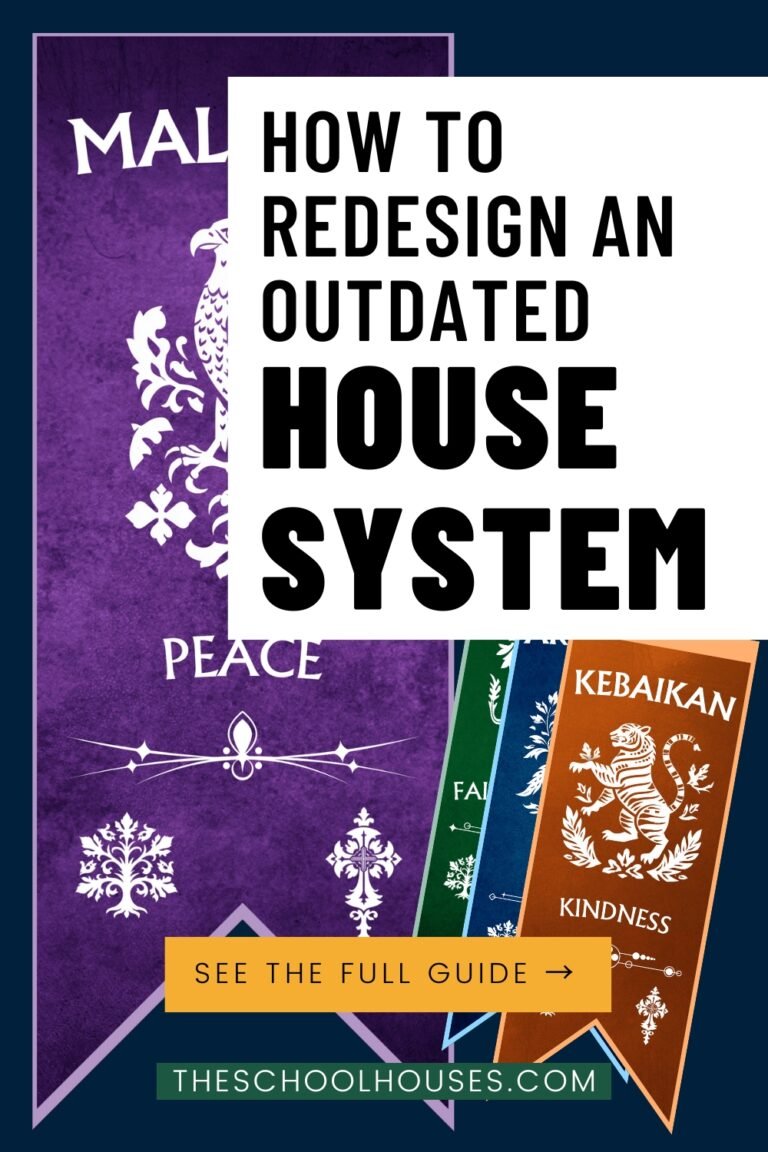
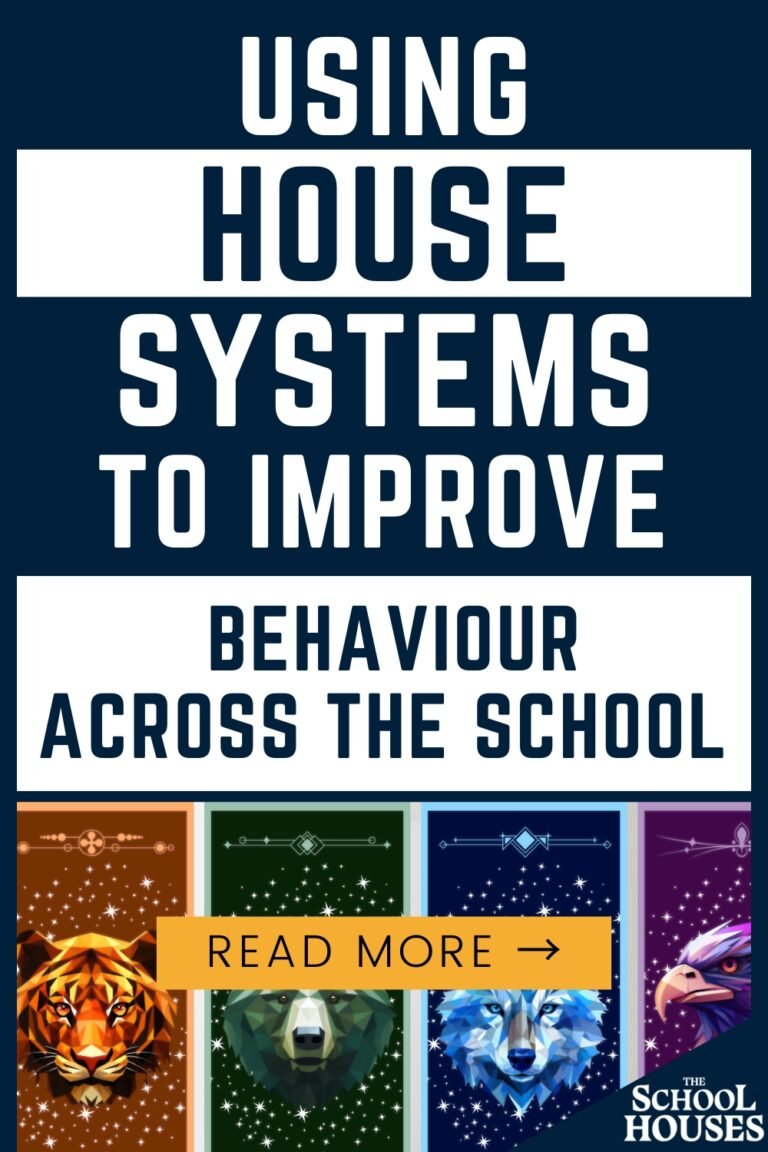
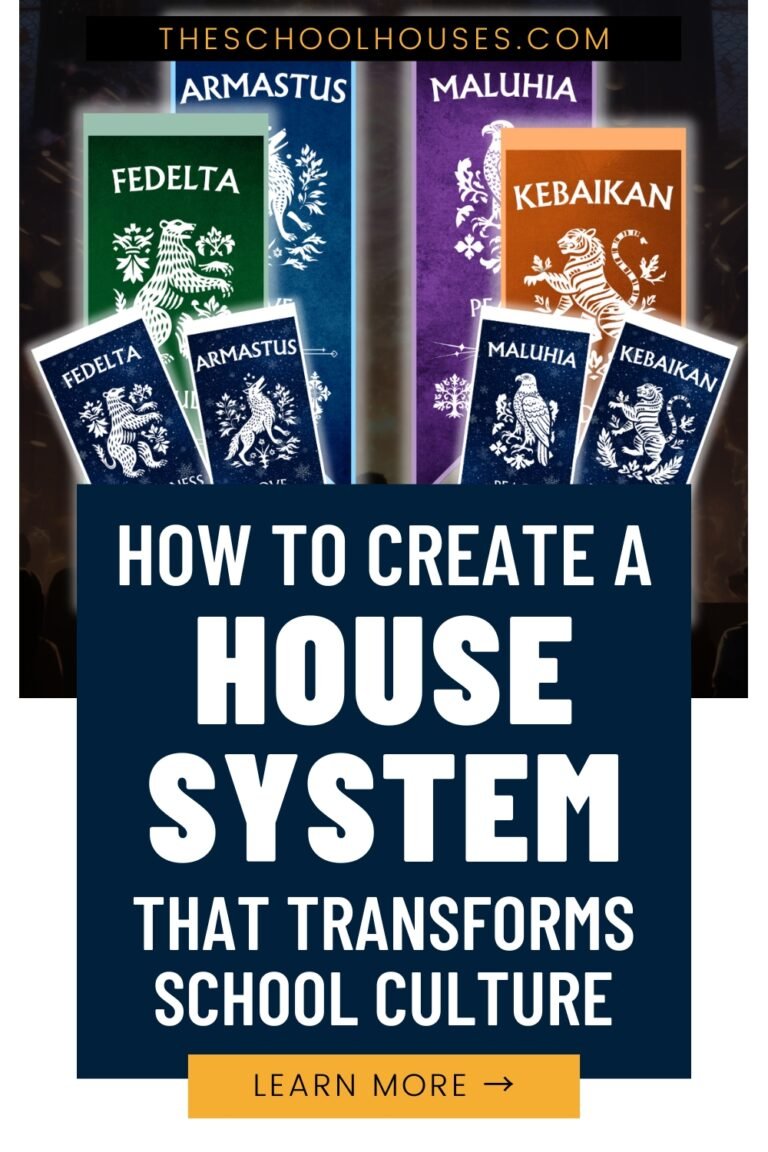
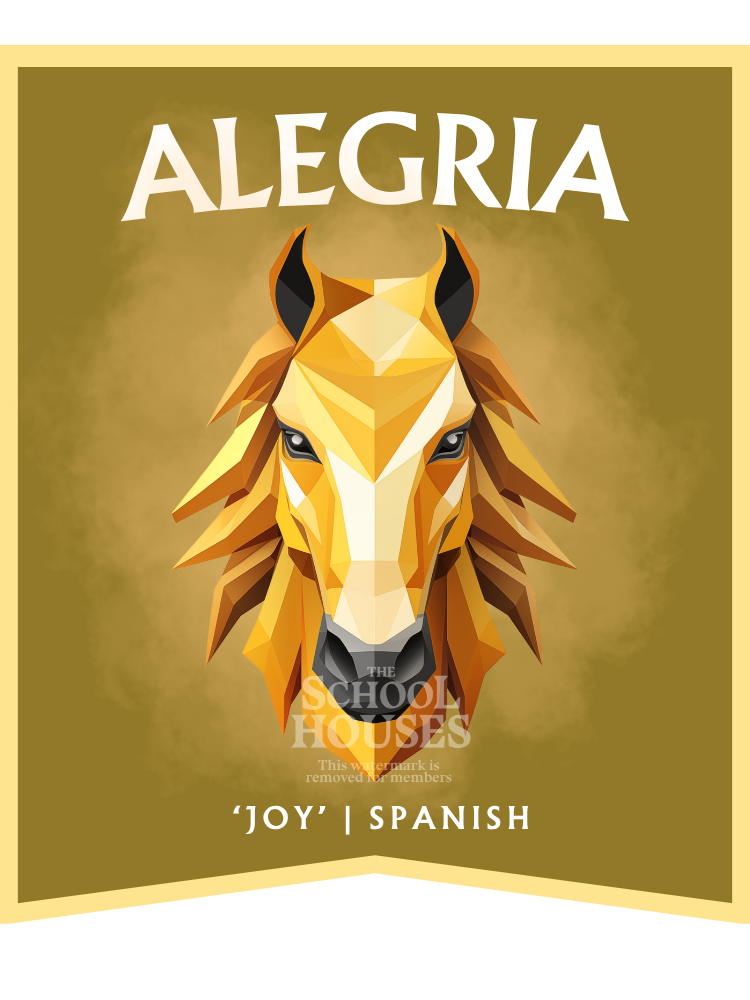
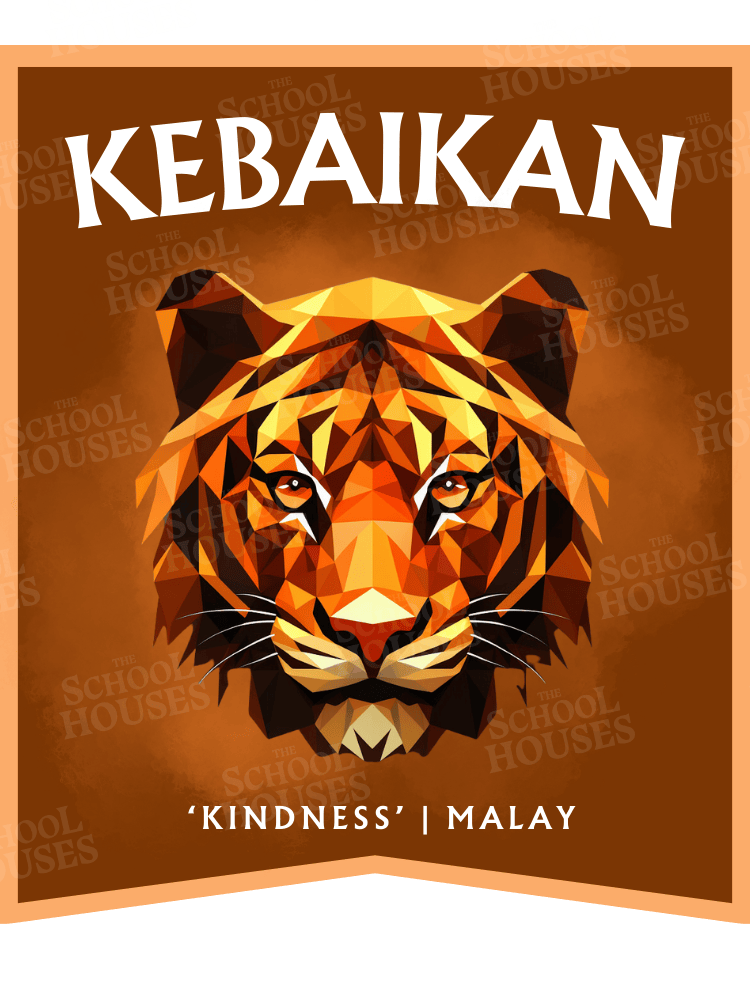
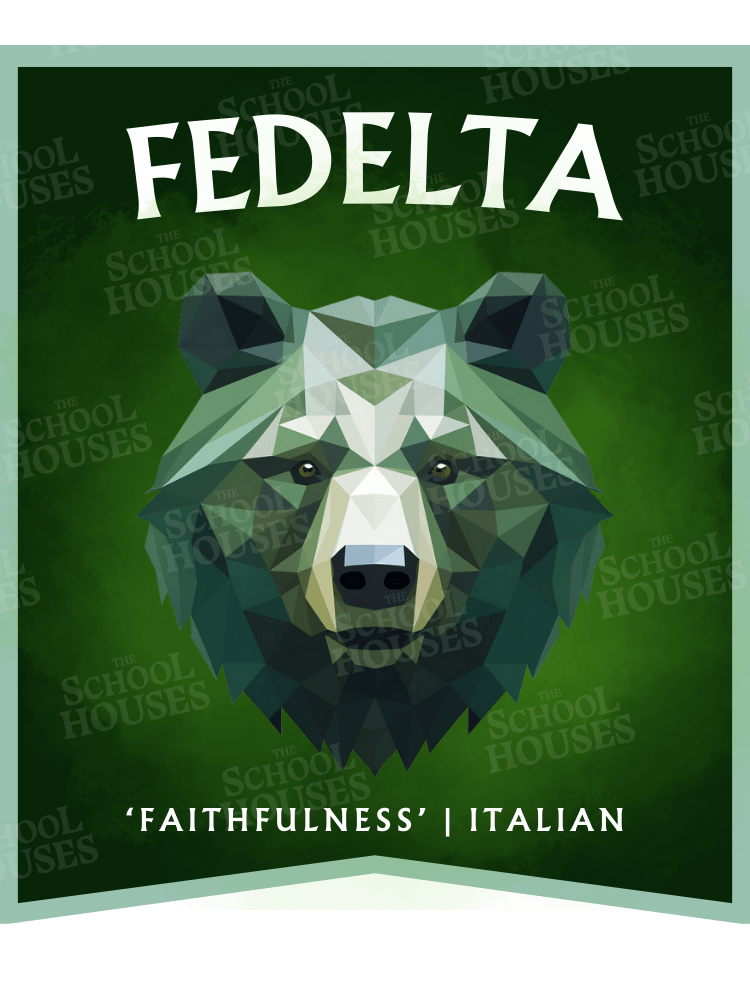
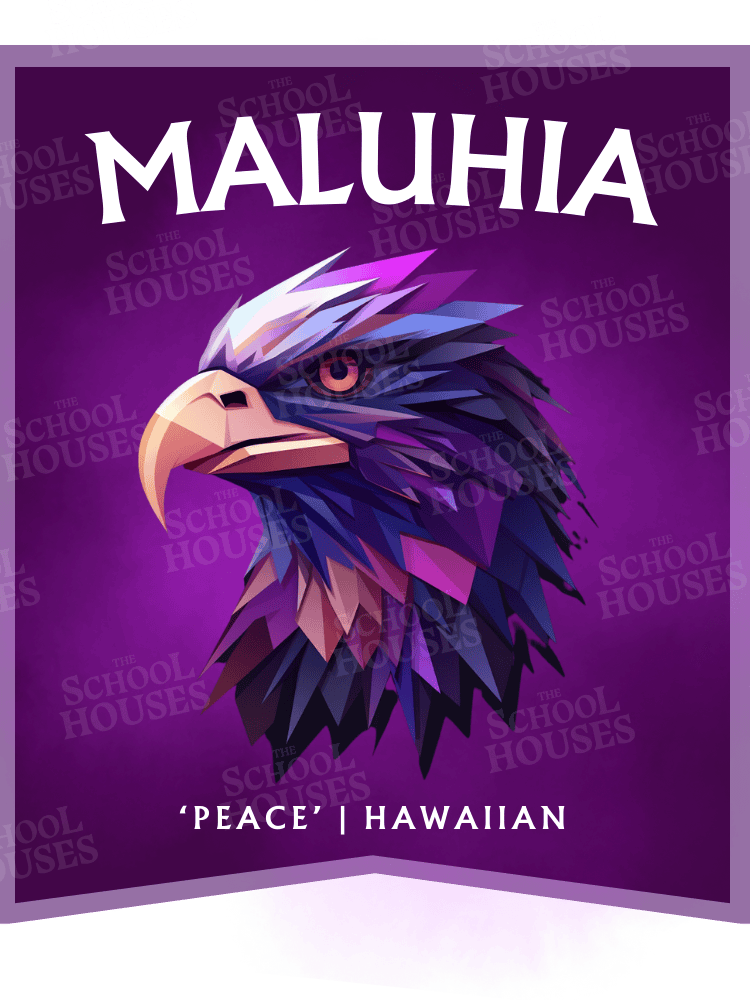
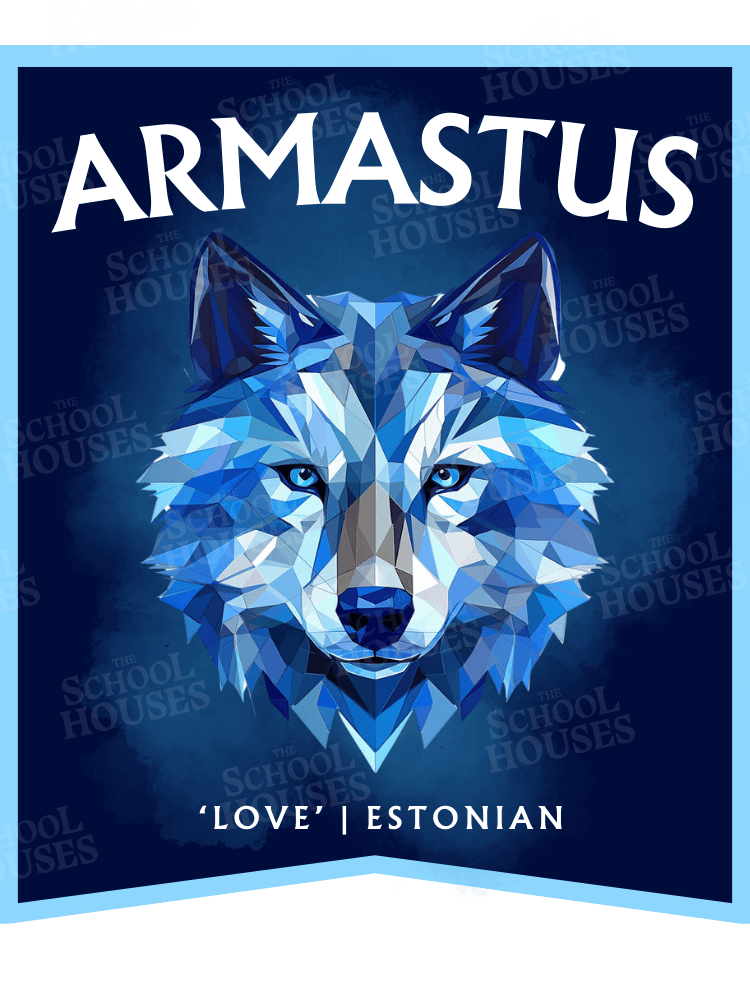
If the goal is to shape school culture, the values behind the House system must be clear and lived. The Guardian Houses—Maluhia (Peace), Armastus (Love), Fedelta (Faithfulness) and Kebaikan (Kindness)—give schools a ready-made set of values that children understand immediately. Instead of a system based on abstract or disconnected themes, each House represents a quality pupils can recognise in daily life.
Children quickly learn, “This is what my House stands for, and this is how I can show it.” That clarity provides the foundation for a system that genuinely changes behaviour and attitudes.
You can read more about the meaning behind each House here: Why Our Guardian House Names Are Rooted in Global Values.
Give Each House a Strong Identity
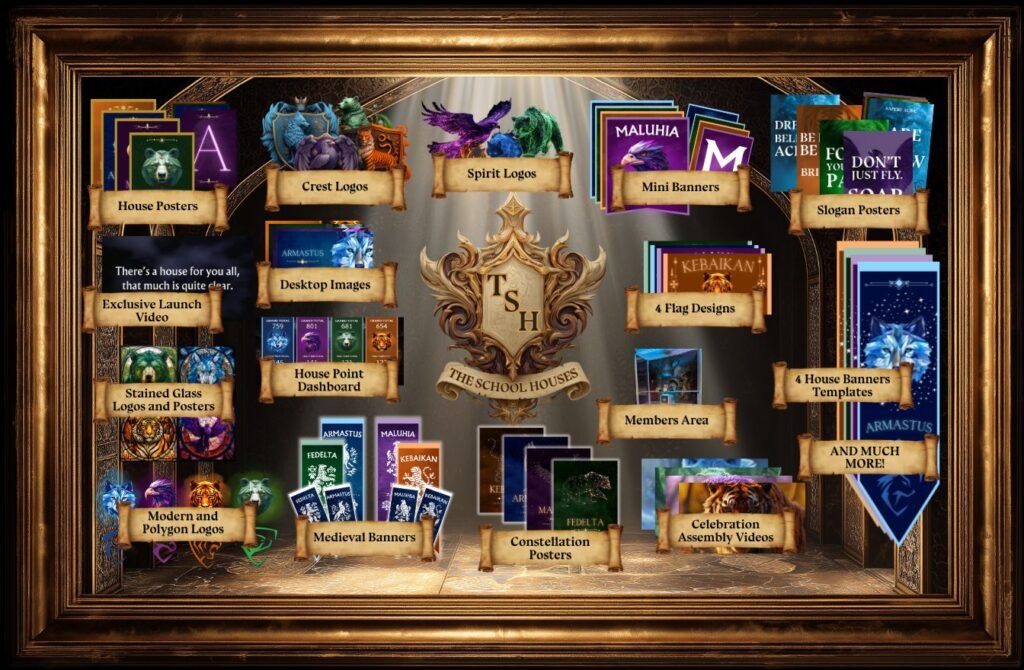
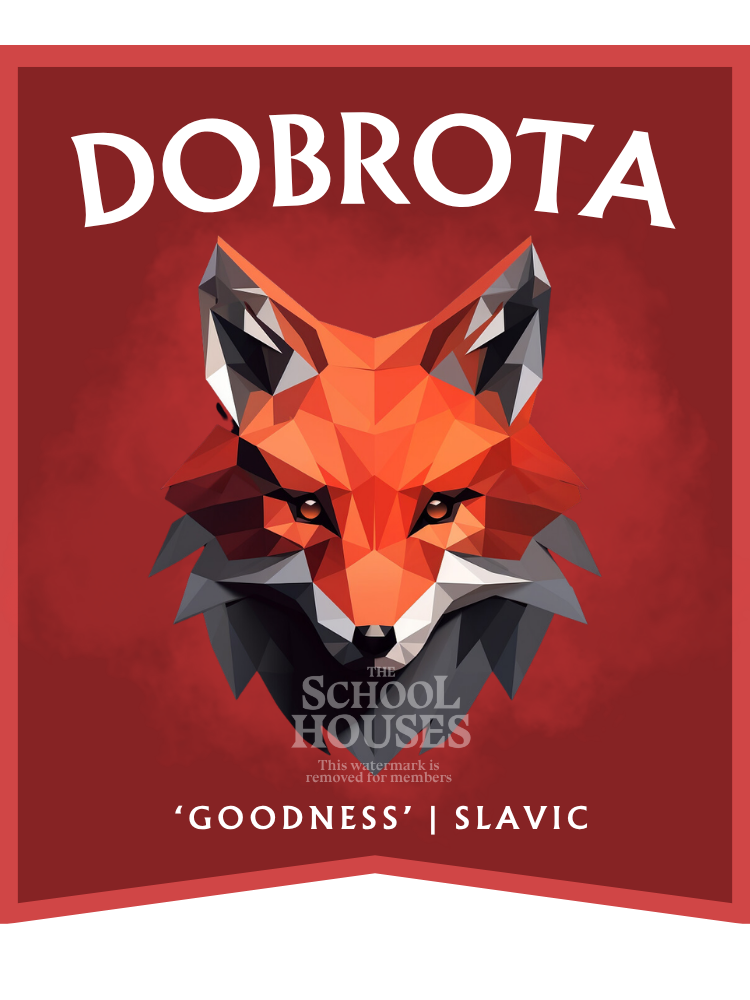
When Houses feel real, pupils engage more deeply. Colours, symbols, mascots and consistent visual language help children feel part of something recognisable and important. The Guardian System provides a complete identity for each House so schools do not have to create logos, colours or narratives from scratch. This means that staff can concentrate on using the Houses to shape behaviour and build community.
For inspiration on how to make the identity visible around school, you may find these helpful:
Make Points Meaningful, Not Mechanical
House points can feel either tokenistic or transformative. The difference lies in what they reward. When points are tied to the Guardian values—kindness, peace, teamwork, resilience—they reinforce the behaviours schools want to see.
Pupils begin to understand that every positive choice strengthens their House. Instead of staff repeatedly correcting behaviour, the system encourages pupils to think about the impact of their actions and the contribution they make to their House.
Recommended guidelines include:
- Teachers award 1–3 points for effort, conduct, achievement or progress.
- SLT may award larger amounts for exceptional contributions.
- Points must never be removed, as this discourages pupils and mixes behaviour management with reward.
- Frequent small wins help sustain motivation across the school.
More on behaviour and culture can be found in Using House Systems to Improve Behaviour Across the School.
Bring the Houses Into Daily School Life
A transformational House system is visible, active and consistent. It appears in corridors, in assemblies, in language, in displays and in the daily rhythm of school life. The more frequently the Houses are referenced and celebrated, the more naturally pupils adopt the values and the identity.
The Guardian System makes this straightforward because all elements—names, crests, colours and values—are already aligned. Staff do not have to explain what things represent or how they connect. The narrative is already embedded.
Create Regular Opportunities to Shine
Competitions and challenges help maintain momentum throughout the year. These do not need to be large or complex. Small opportunities can be just as effective. Weekly challenges, kindness weeks, creative competitions, team problem-solving tasks, class-based activities and reading drives all contribute to a vibrant House culture.
Because the Guardian values are broad and meaningful, it is easy to connect activities to a House. A Maluhia teamwork task, an Armastus community project or a Fedelta perseverance challenge reinforces the values without forcing a link.
If you are looking for practical ideas, you may find this useful: 17 House Competition Ideas to Boost Team Spirit.
Celebrate Often and Celebrate Well
Celebration is central to a House system that changes culture. Whether through weekly totals, assembly shout-outs, certificates or end-of-term awards, recognition helps pupils see that the Houses matter. Over time, pupils begin encouraging one another because they value the collective success of their House as much as their own achievements.
A House System That Changes the Feel of the Whole School
Schools often introduce a House system expecting it to be a fun addition, only to discover that it changes behaviour, relationships and the whole atmosphere of the school. When children understand what their House represents and feel proud to belong to it, the culture shifts. Classrooms become calmer, assemblies become more purposeful and children look for ways to live out the values.
The Guardian System accelerates that transformation by providing ready-made values, visuals and identity. It removes the hardest part of creating a House system and allows schools to focus on embedding it meaningfully. For guidance on launching quickly, you may find this helpful: How to Launch a House System in One Week.