
A strong House system can completely change the atmosphere of a primary school. When it is designed well, it creates belonging, strengthens behaviour, and gives children a sense of identity that lasts long after the House Cup has been awarded. Yet many schools either do not have a House system, or they have one that never becomes part of daily life. The truth is that a successful House system does not need to be complicated. It needs meaning, consistency and excitement.
For many schools, this is why the Guardian System has become a popular choice. It offers a ready-made structure built around four values that children immediately understand and connect with. Instead of spending weeks choosing names, designing logos or creating narratives, the Guardian Houses give you a complete identity from the start.

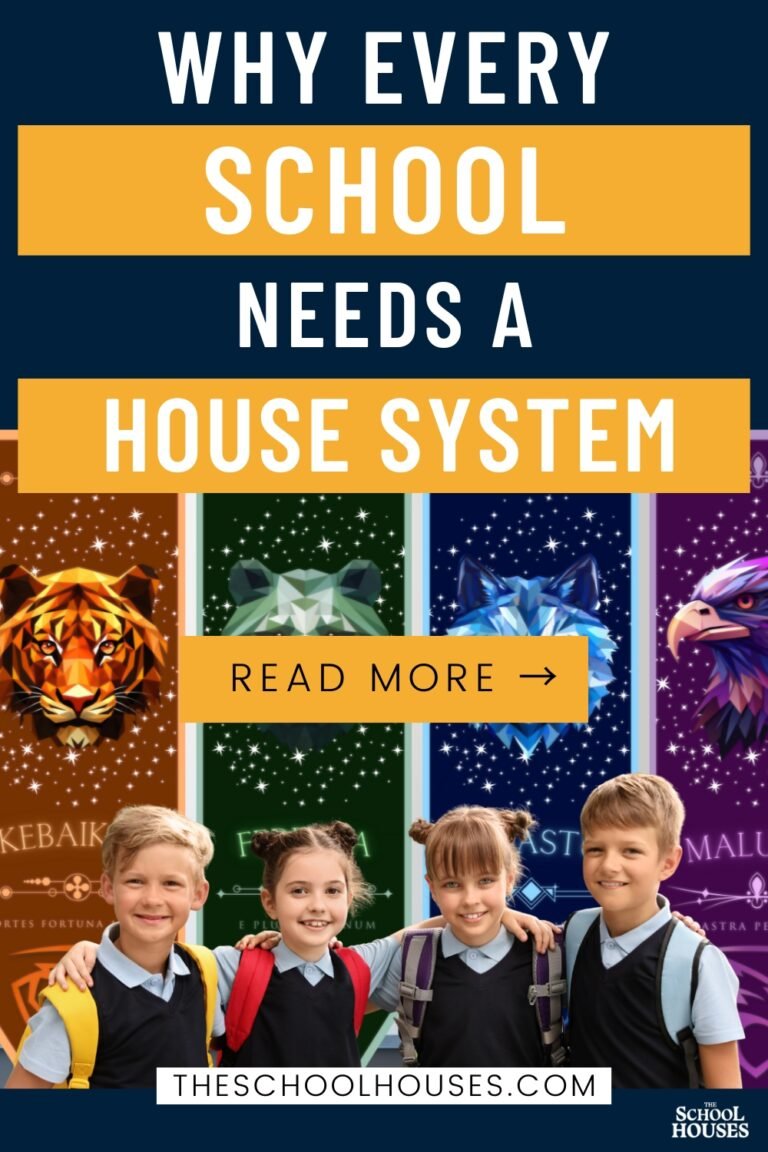
If you want a wider overview of the benefits of House systems, you may find this helpful: Why Every School Needs a House System.
A House System Built on Meaningful Values
The Guardian Houses are built on four values chosen because they are universal, memorable and child-friendly:
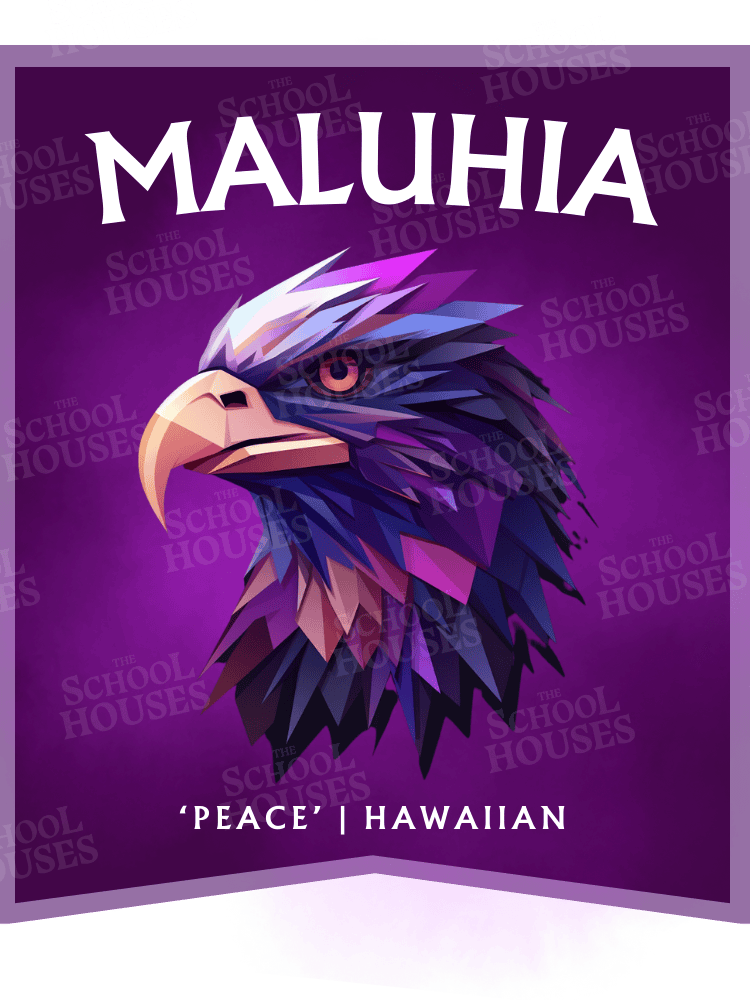
- Maluhia — Peace (Purple, Falcon)
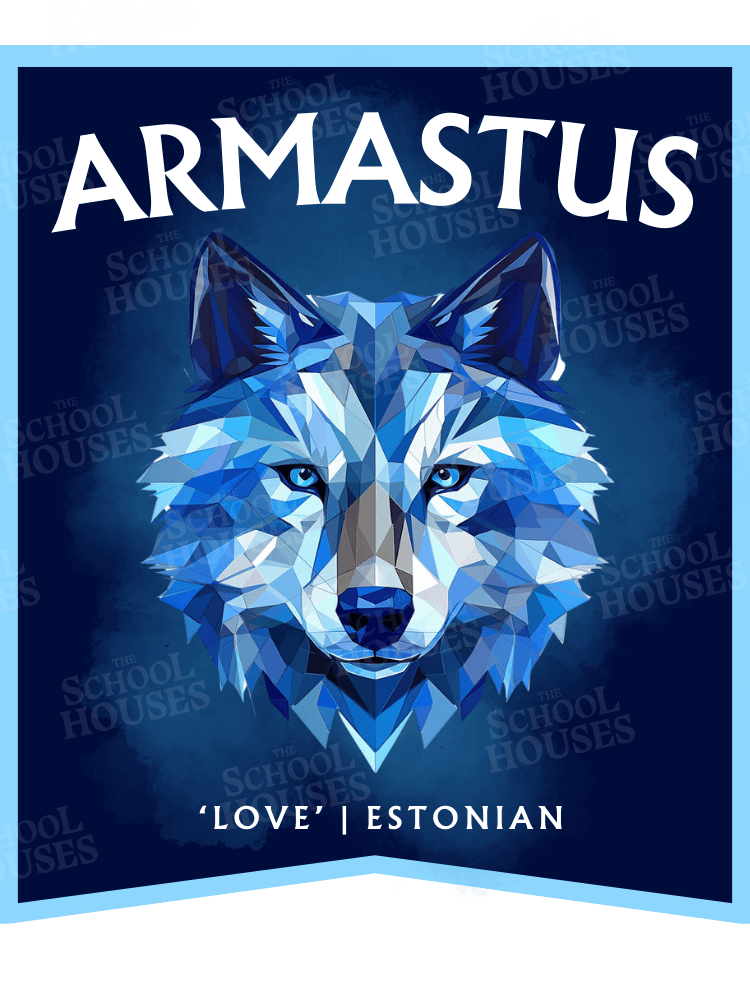
- Armastus — Love (Blue, Wolf)
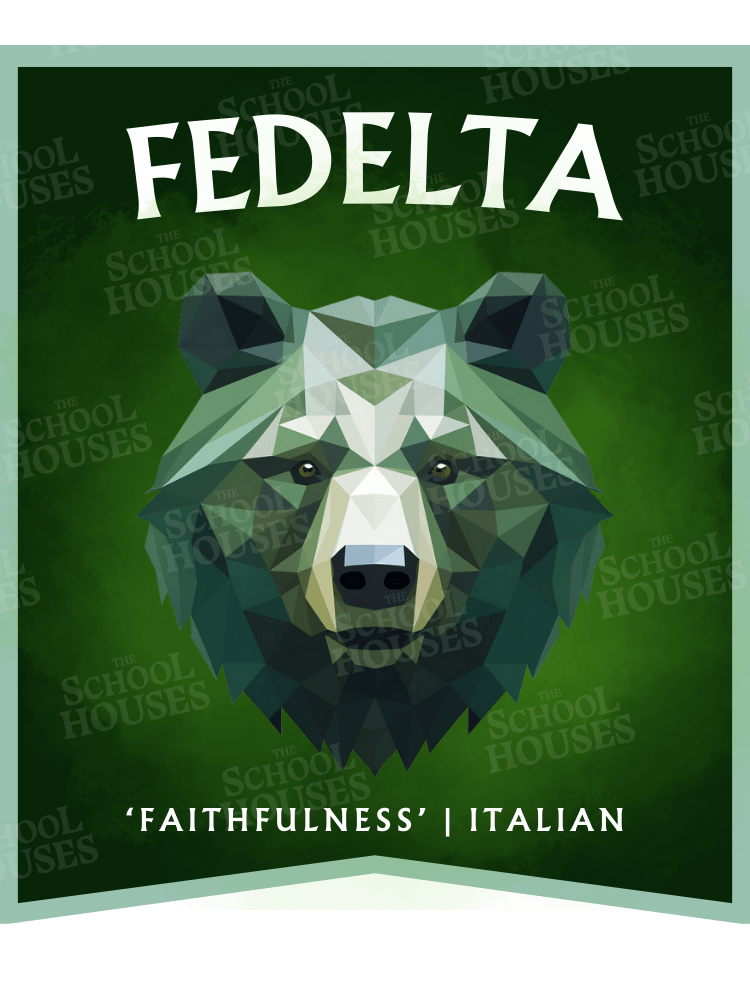
- Fedelta — Faithfulness / Loyalty (Green, Bear)
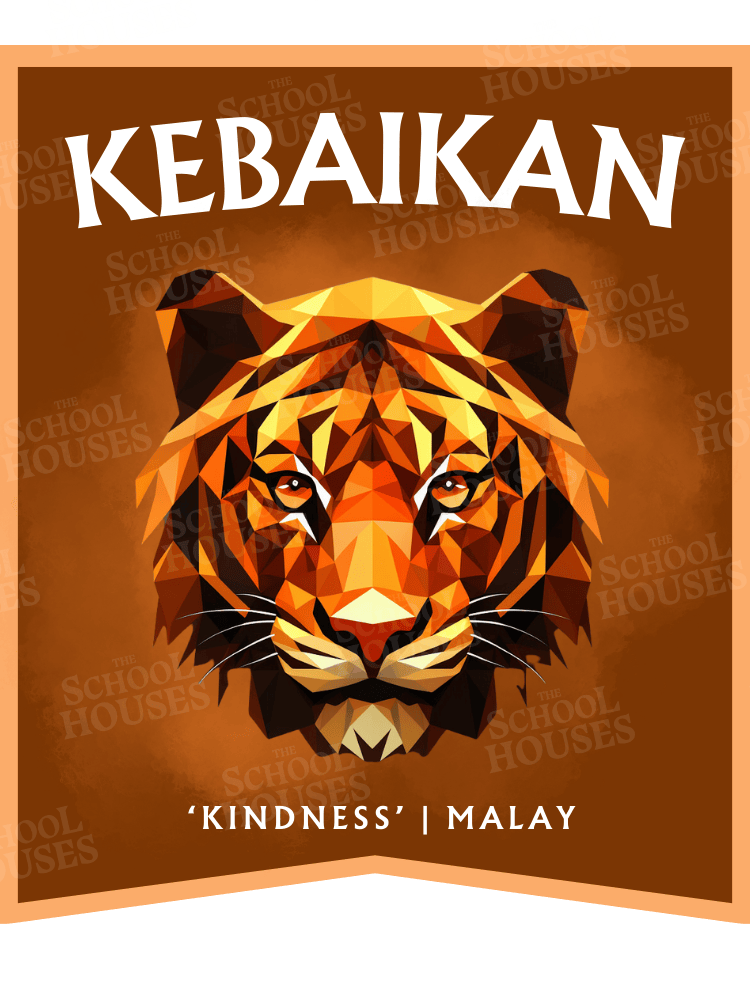
- Kebaikan — Kindness (Orange, Tiger)
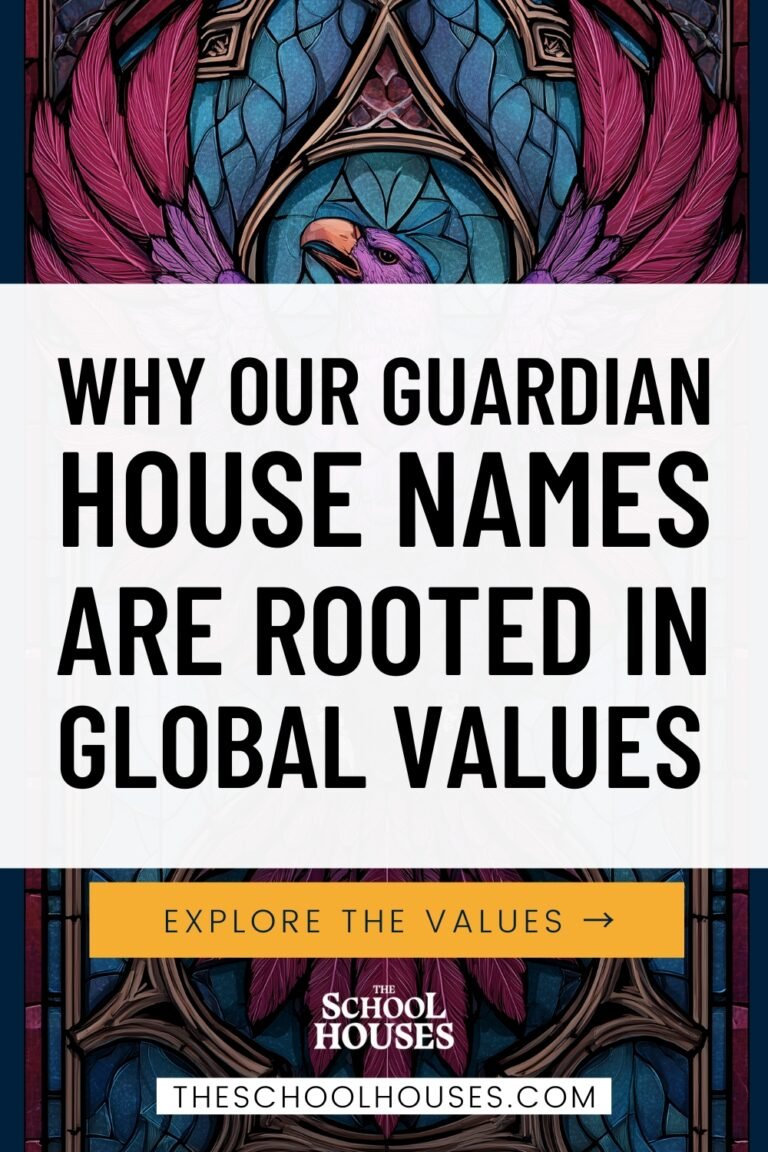
These values directly reflect the behaviours and attitudes schools want to nurture. They are not random names taken from history or mythology. Children quickly recognise what their House represents, and this clarity strengthens the whole system.
Importantly, the values are not identity labels. Every child can show kindness, peace, love and perseverance, regardless of their House. Praise is anchored in behaviour rather than the House name. For example, staff say “Thank you for your kindness” instead of “Show Kebaikan kindness.” This keeps the system inclusive and character–focused.
If you would like to know more about the meanings behind the House names, see Why Our Guardian House Names Are Rooted in Global Values.
Identity That Children Connect With
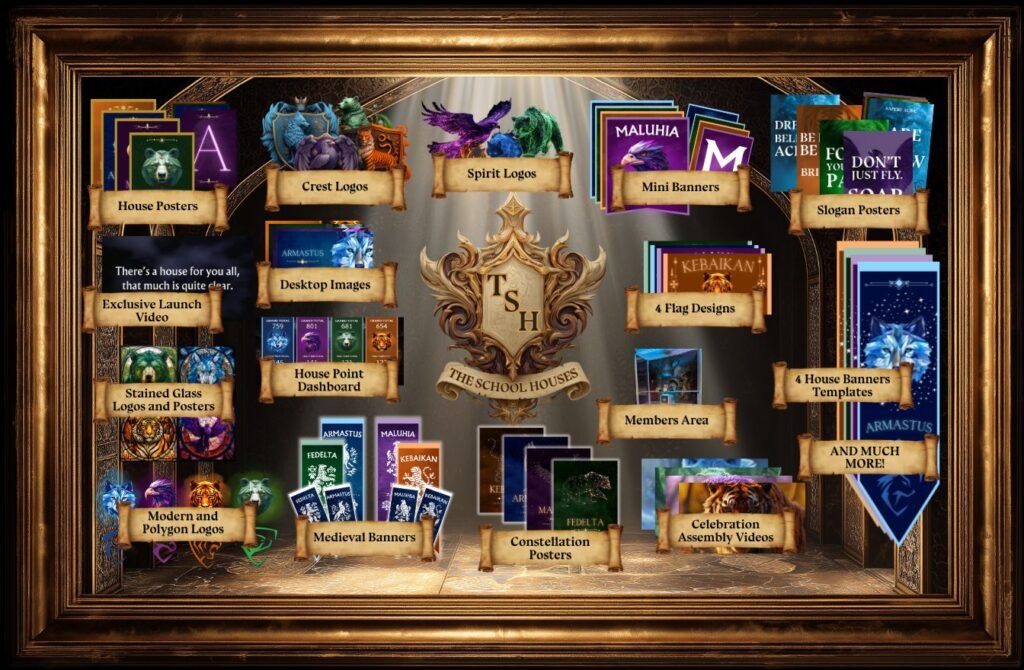
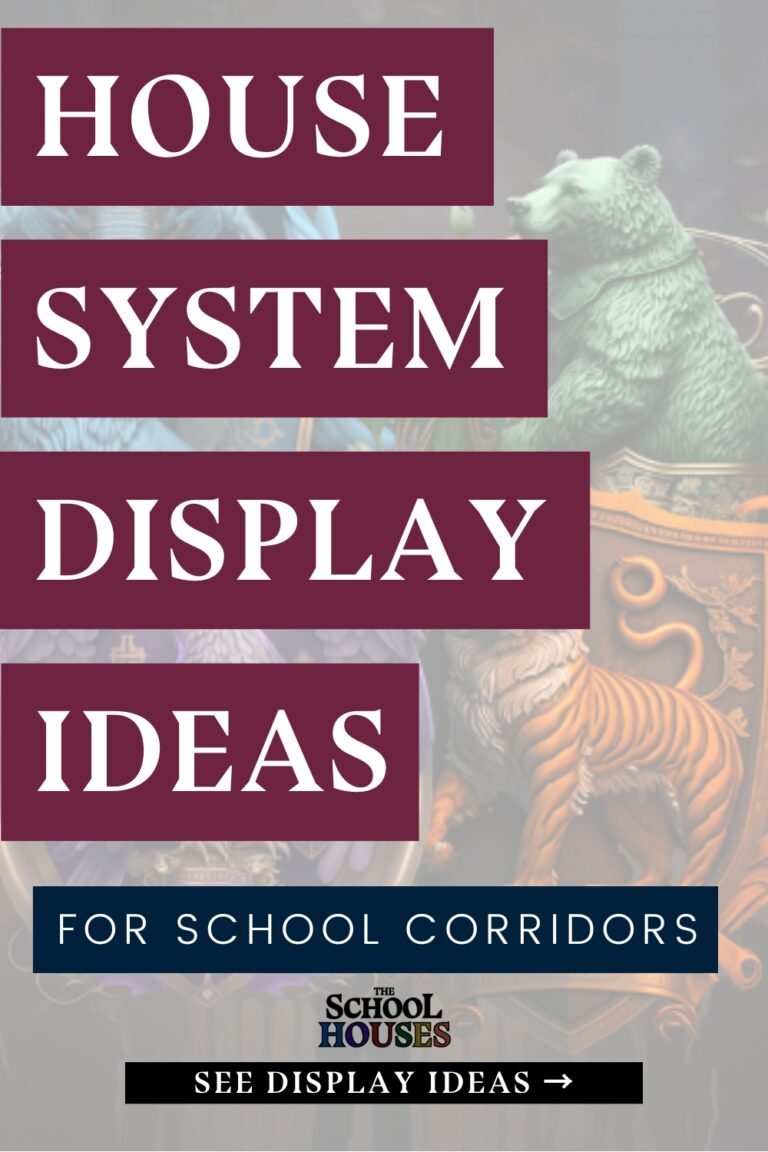
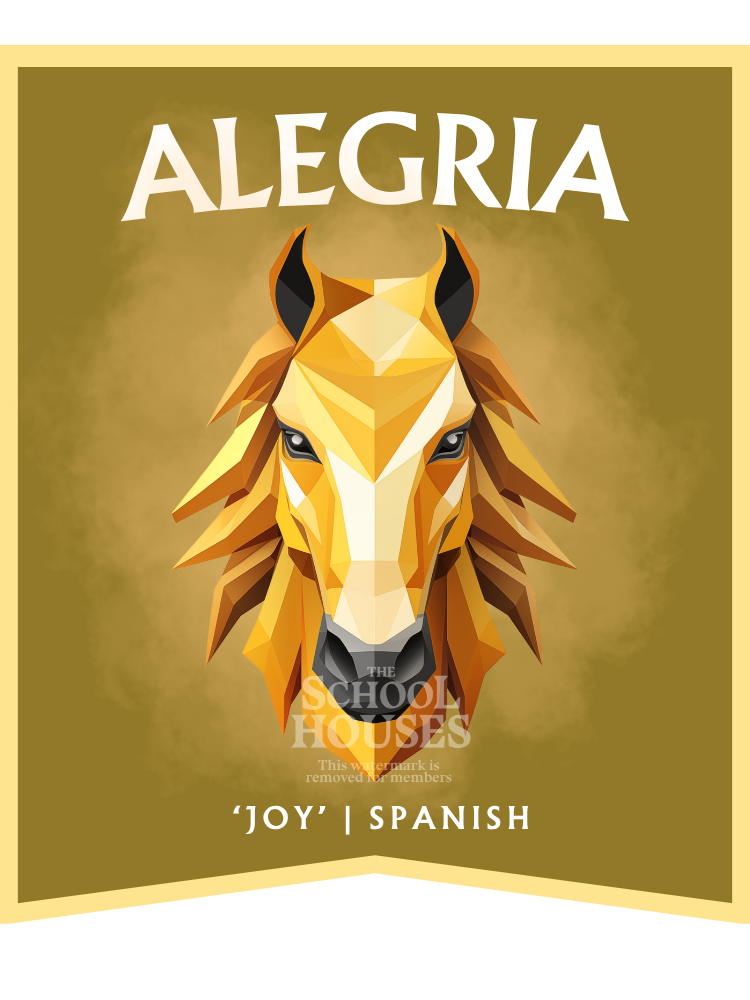
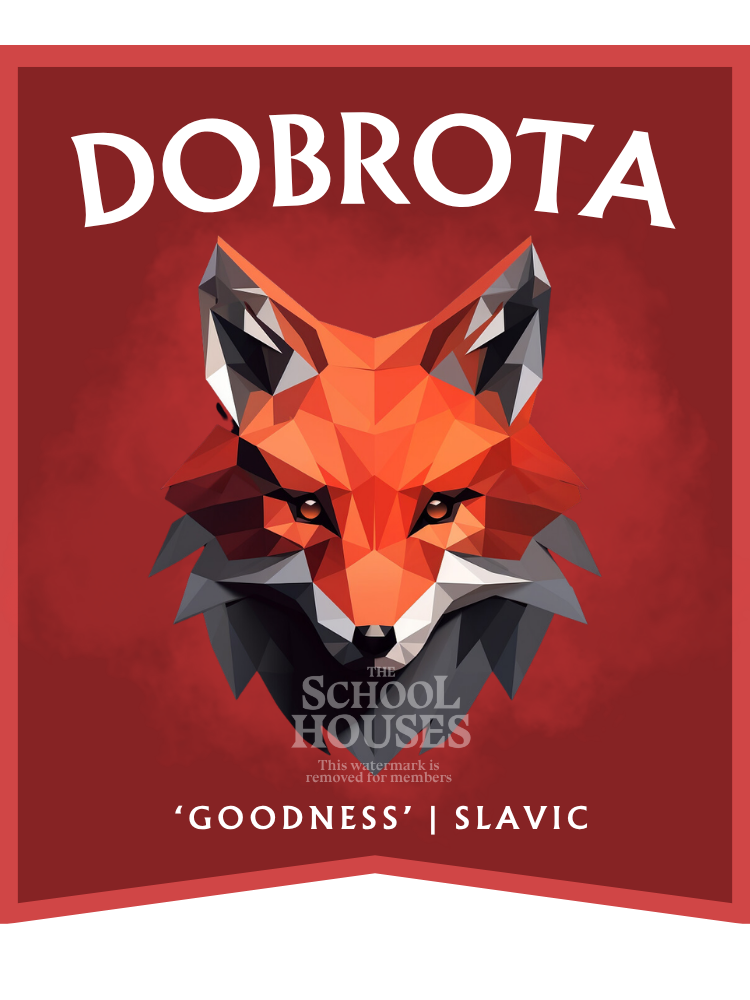
For a House system to feel real, it needs clear identity. Colours, crests and mascots help children feel part of something they recognise and are proud of. The Guardian System gives each House a distinctive visual character, making it easy to create displays, certificates, badges, assemblies and House-points boards that look coherent and purposeful.
When pupils see their House crest on a banner, poster or display, it strengthens their sense of belonging. For visual inspiration, you may find these guides useful:
House Points That Reward What Matters
In primary schools, the most powerful rewards are often for character rather than achievement. The Guardian values naturally support this. Points can be awarded for kindness, calmness, perseverance, teamwork, helpfulness or any moment where a pupil goes above and beyond expectations.
Recommended structure:
- Teachers award 1–3 points for achievement, effort, progress or conduct.
- SLT may award larger amounts when appropriate.
- There is no cap, but consistency should be monitored.
- Points must never be taken away, as this damages motivation.
- Frequent small wins help pupils stay engaged.
For a deeper look at behaviour and culture, you can read:
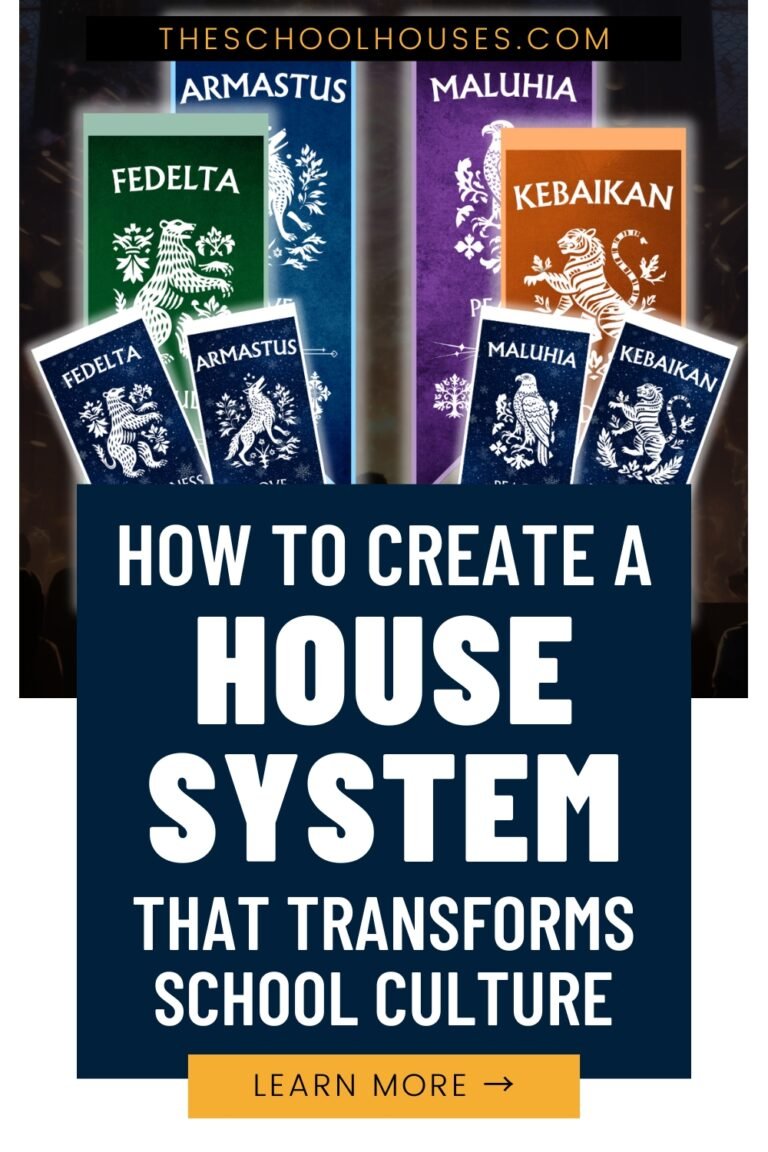
- How to Create a House System That Transforms School Culture
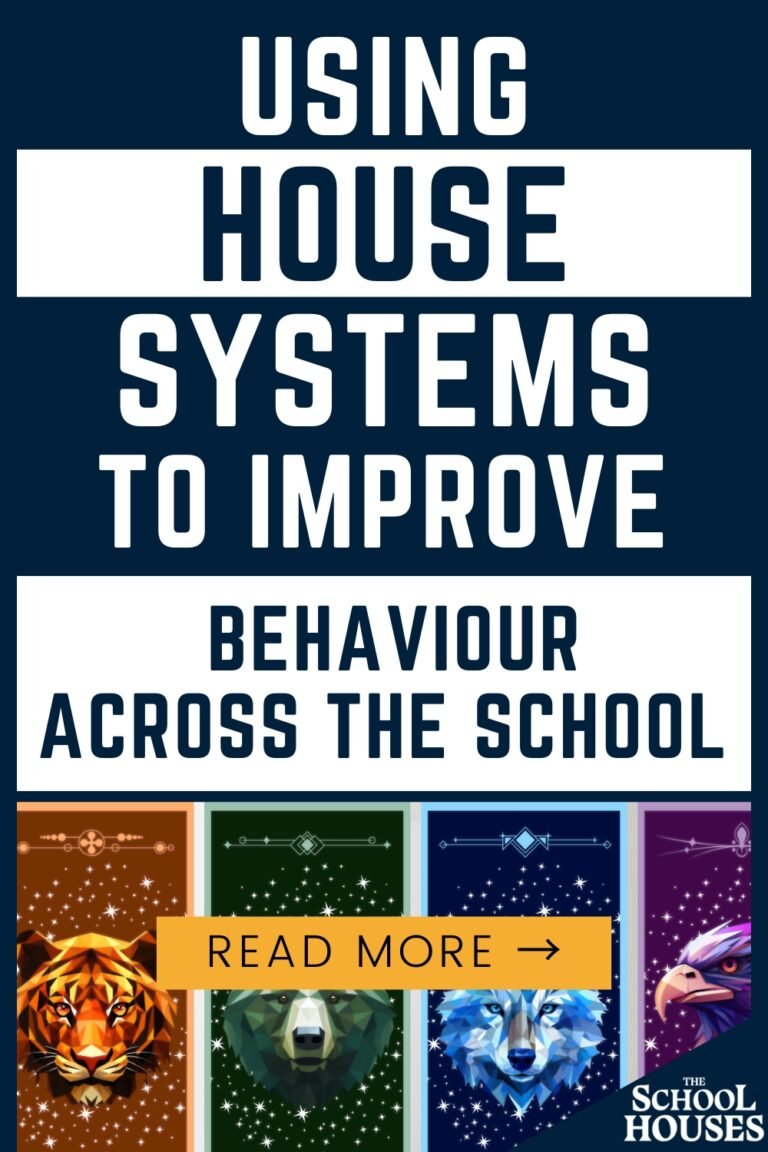
- Using House Systems to Improve Behaviour Across the School
Competitions That Bring Houses to Life
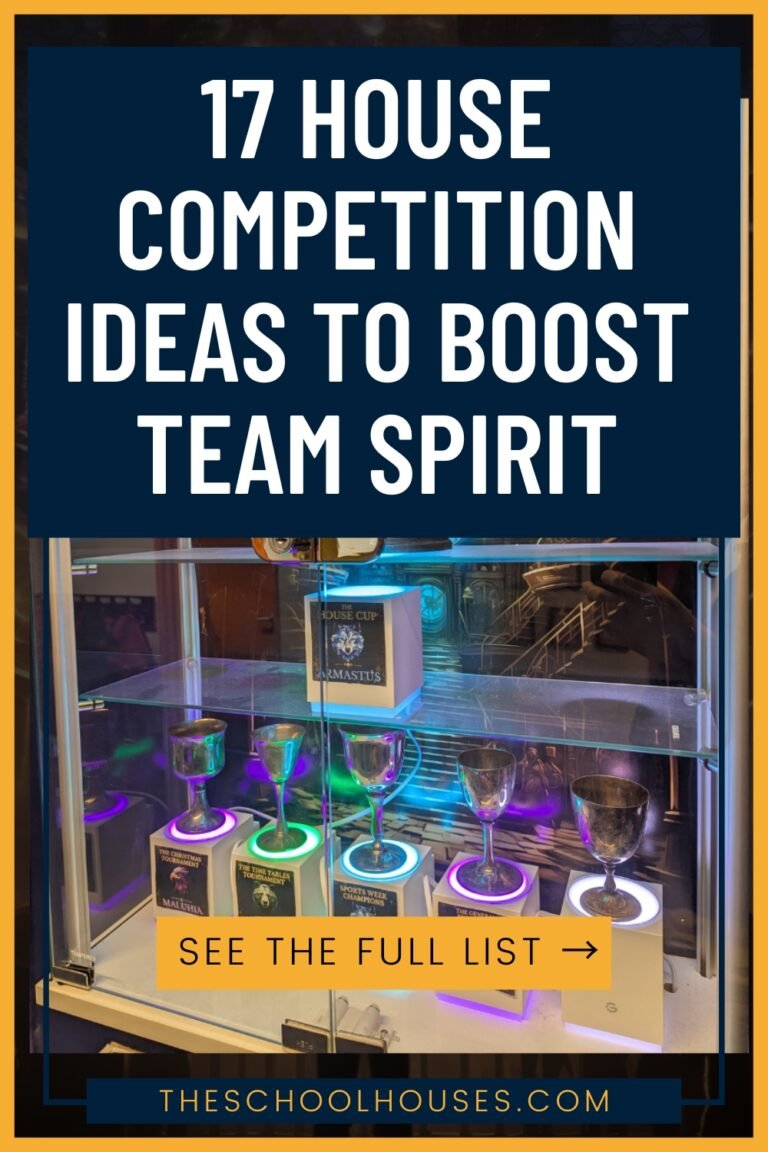
A House system becomes meaningful when it is active. Competitions do not need to be large or complex. Small, regular events help maintain interest throughout the year. These might include art challenges, reading missions, quiz days, teamwork tasks or mini-tournaments. Because the Guardian Houses are built on values, activities can be linked easily to themes such as kindness week, a peace challenge or a perseverance relay.
One tournament each half-term works well. Competitions should be varied so that all pupils have opportunities to shine, including academic, sporting, creative and teamwork-based events.
For practical ideas, you might like: 17 House Competition Ideas to Boost Team Spirit.
A System That Works From Day One
One of the biggest challenges for schools is the time required to design a House system from scratch. Creating names, logos, displays and narratives can become a large project. The Guardian System removes this workload by giving schools a complete, visually consistent identity that can be used immediately. Staff and pupils understand the system straight away, allowing you to focus on implementation rather than design.
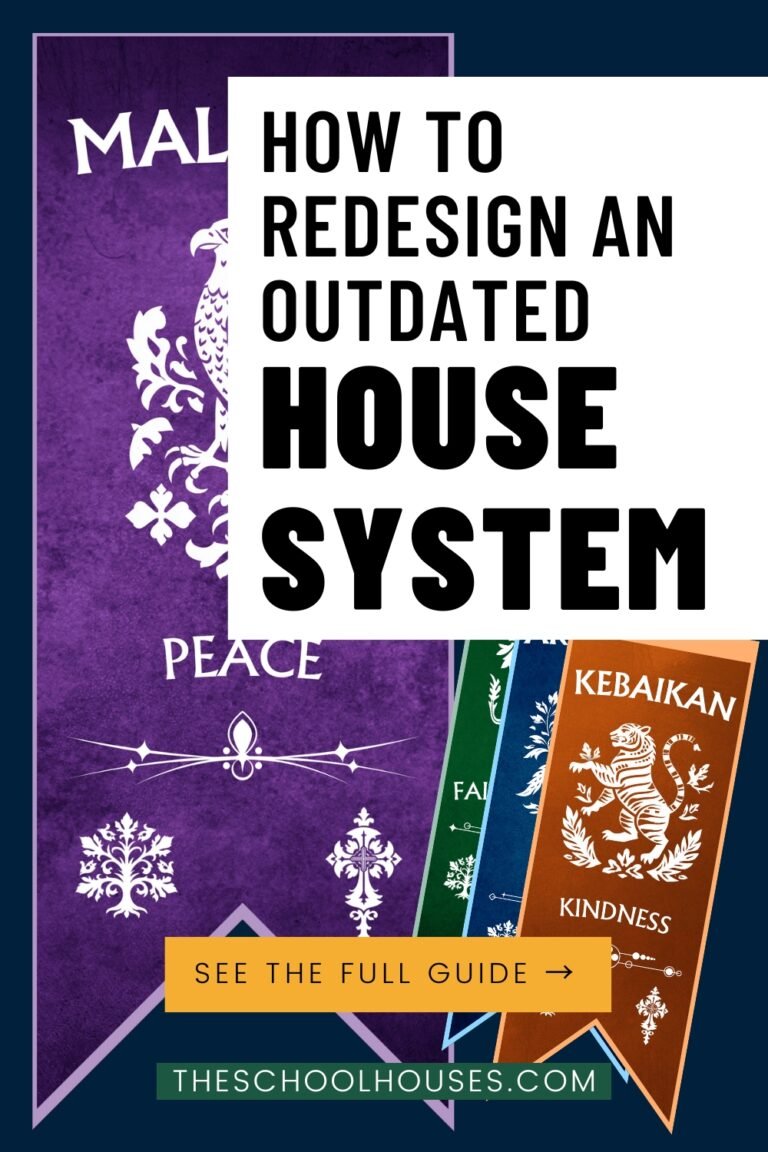
If your school already has a House system but it feels dated or disconnected, you may find this guidance helpful: How to Redesign an Outdated House System.
Creating a Culture Children Are Proud Of
When a House system reflects meaningful values, something shifts in school. Children talk about their Houses in the playground. They cheer for one another during assemblies. They encourage classmates because kindness, effort and teamwork help their House. The values become part of the language of the school.
Parents notice it. Staff feel it. Visitors comment on it.
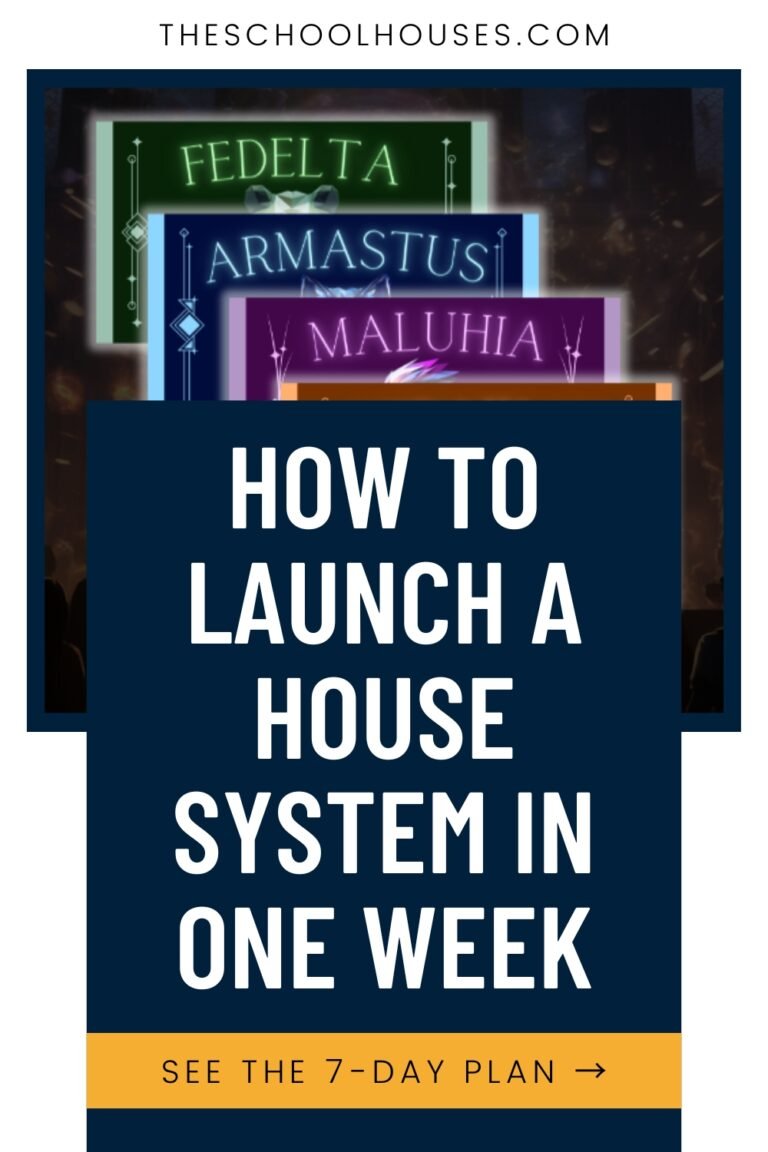
A House system is more than a structure. It becomes part of the heart of the school. If you want to establish one quickly, this guide can help: How to Launch a House System in One Week.
For schools wanting broader culture change, you may also find this useful: How to Create a House System That Transforms School Culture.