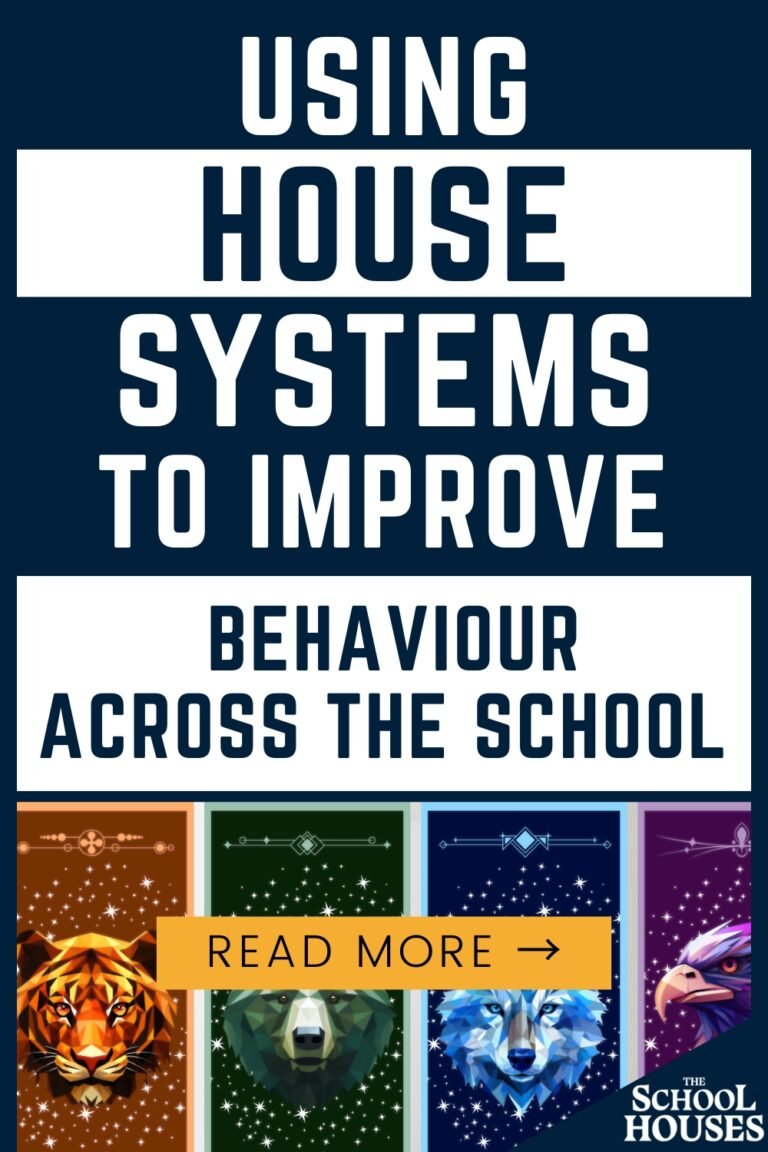

A well-designed House system can have a remarkable impact on behaviour, but only when it is used in the right way. Many schools fall into the trap of using a House system as an extra layer of sanctions or as a reward scheme that quickly becomes inflated and meaningless. When the structure is thoughtful, consistent and rooted in clear values, it becomes one of the most effective tools a school has for improving behaviour across the whole community.
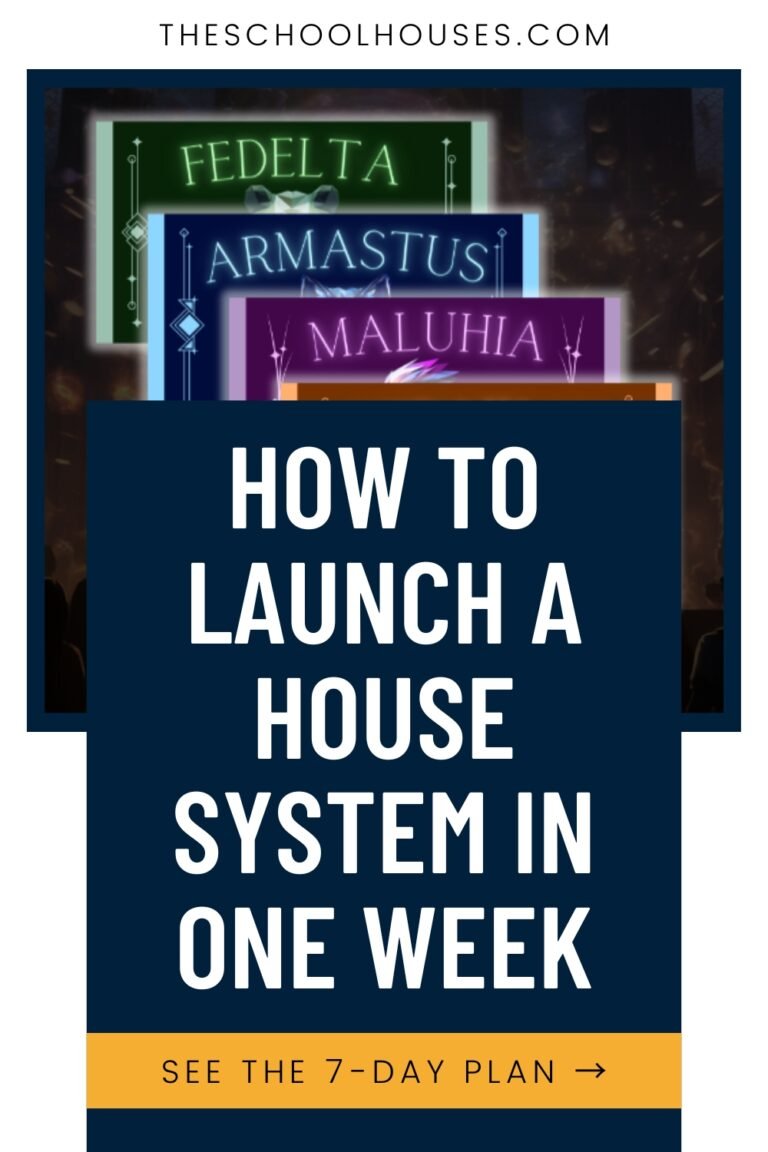
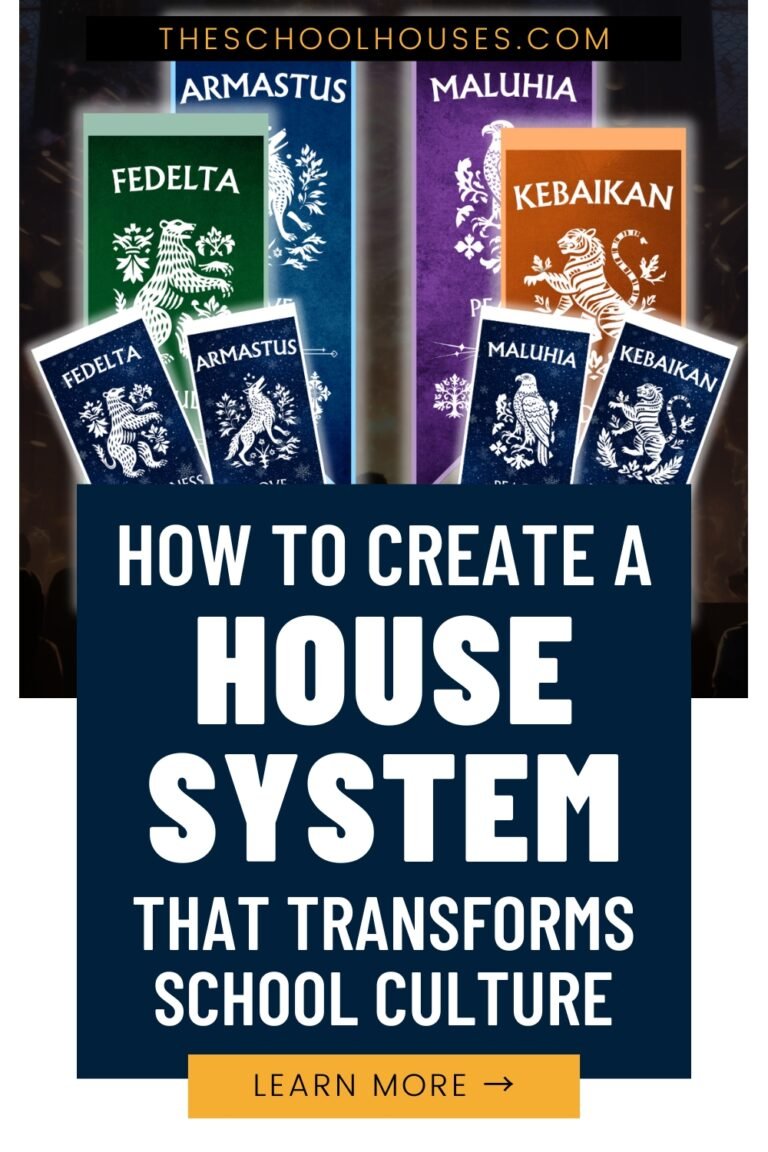
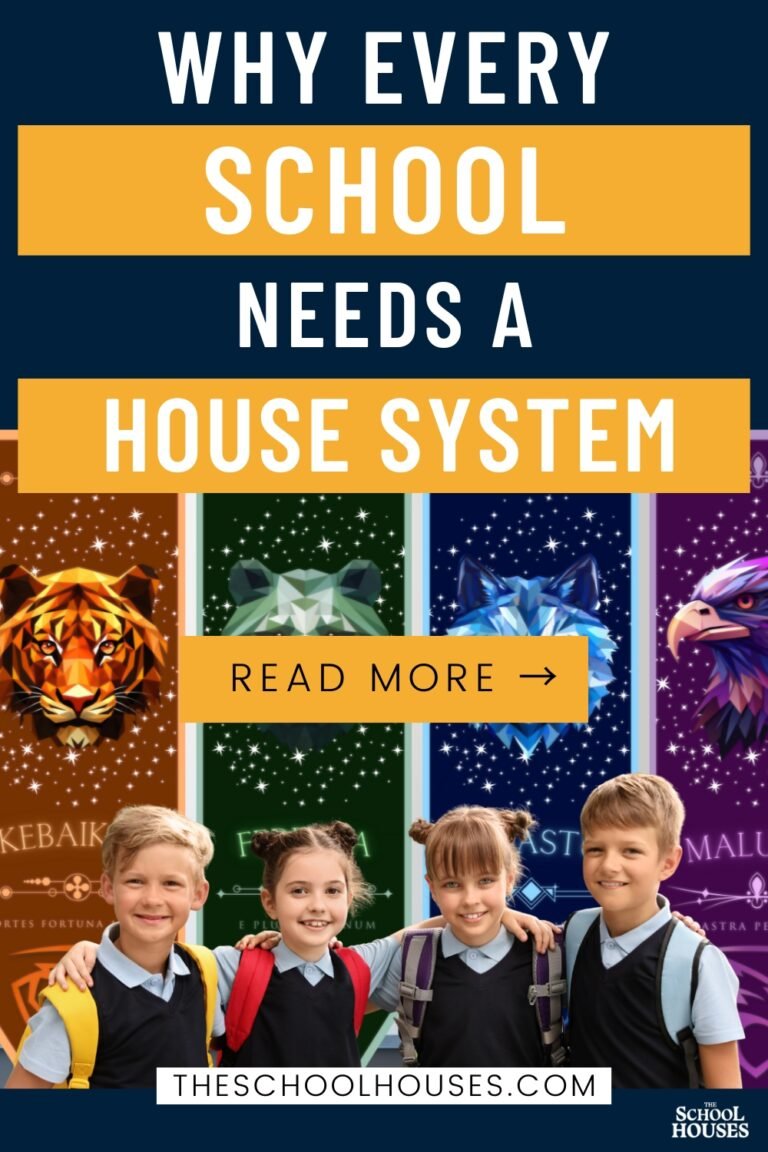
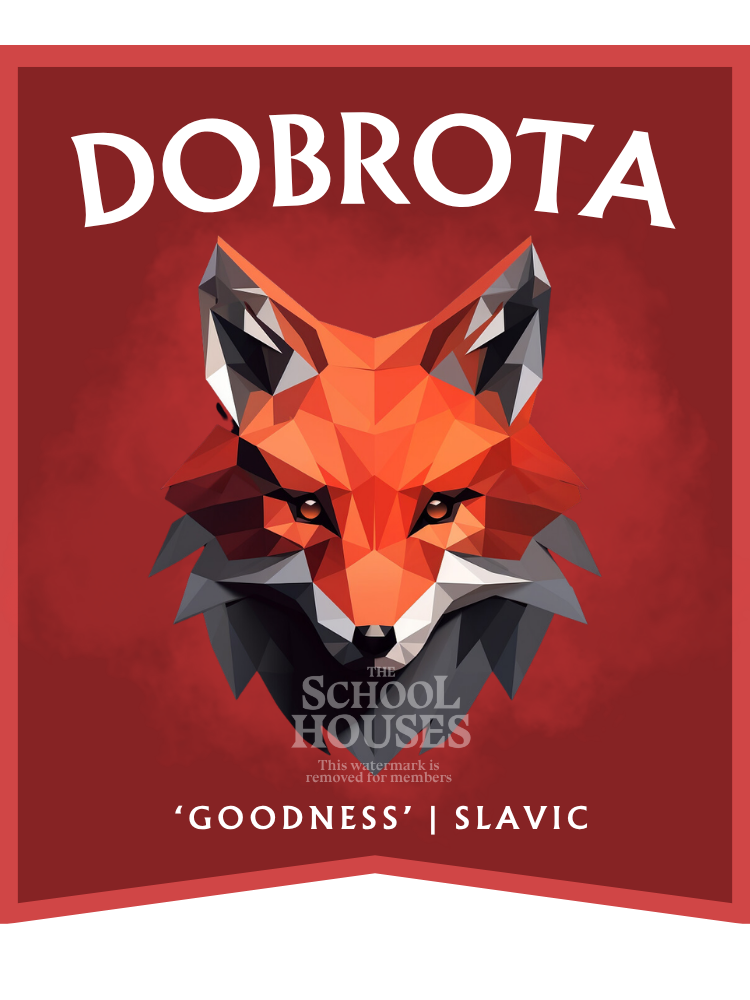
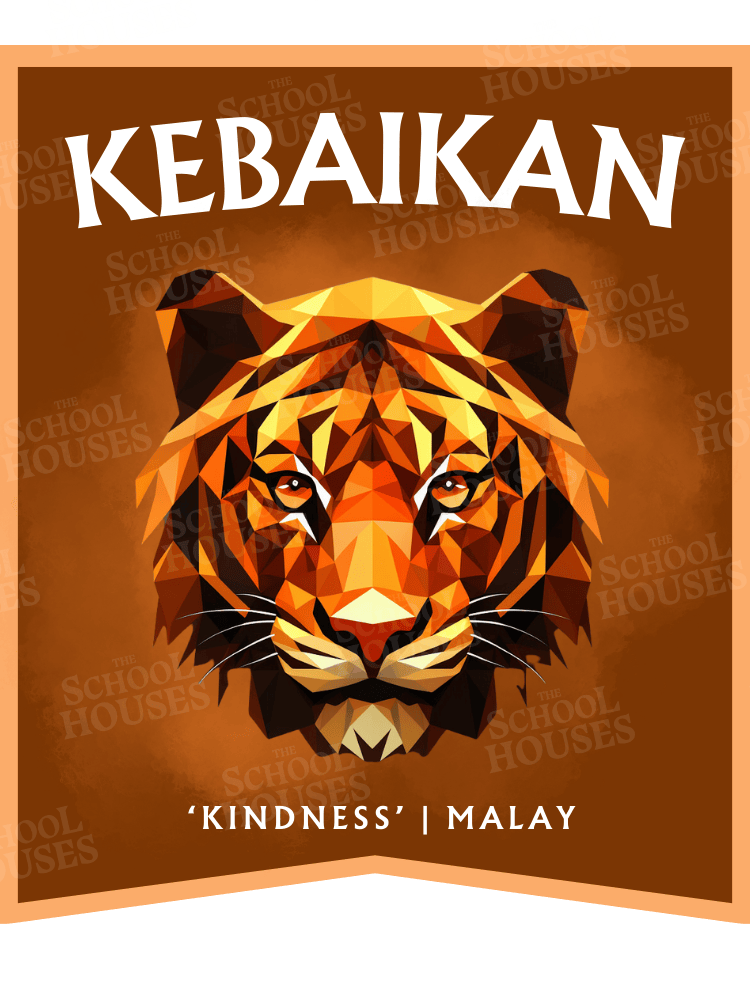
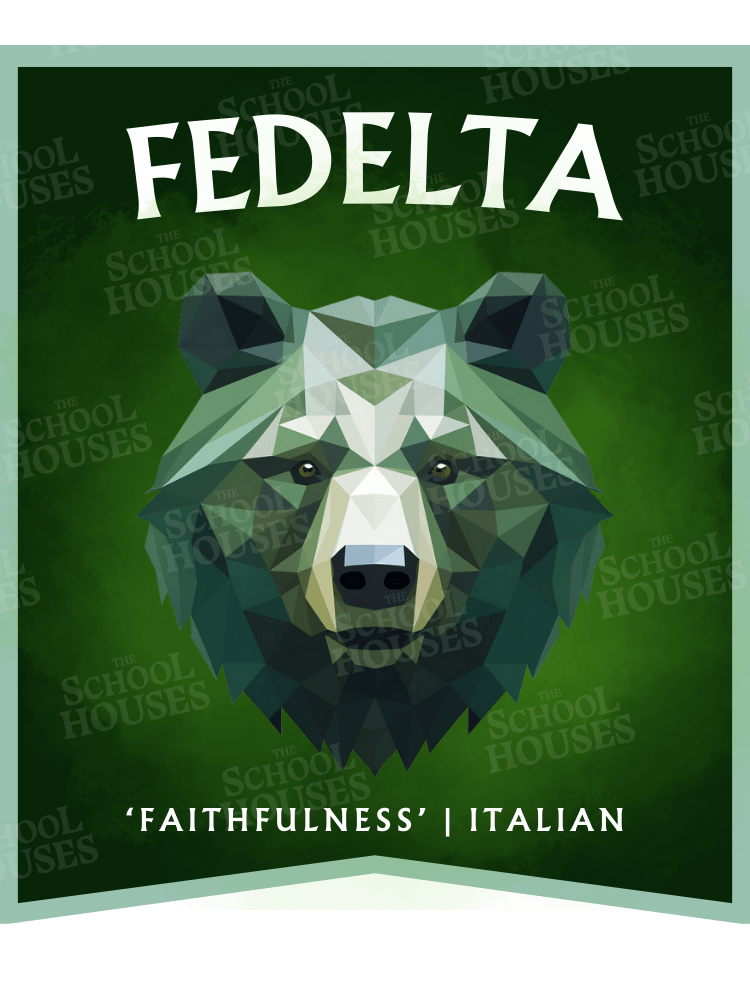
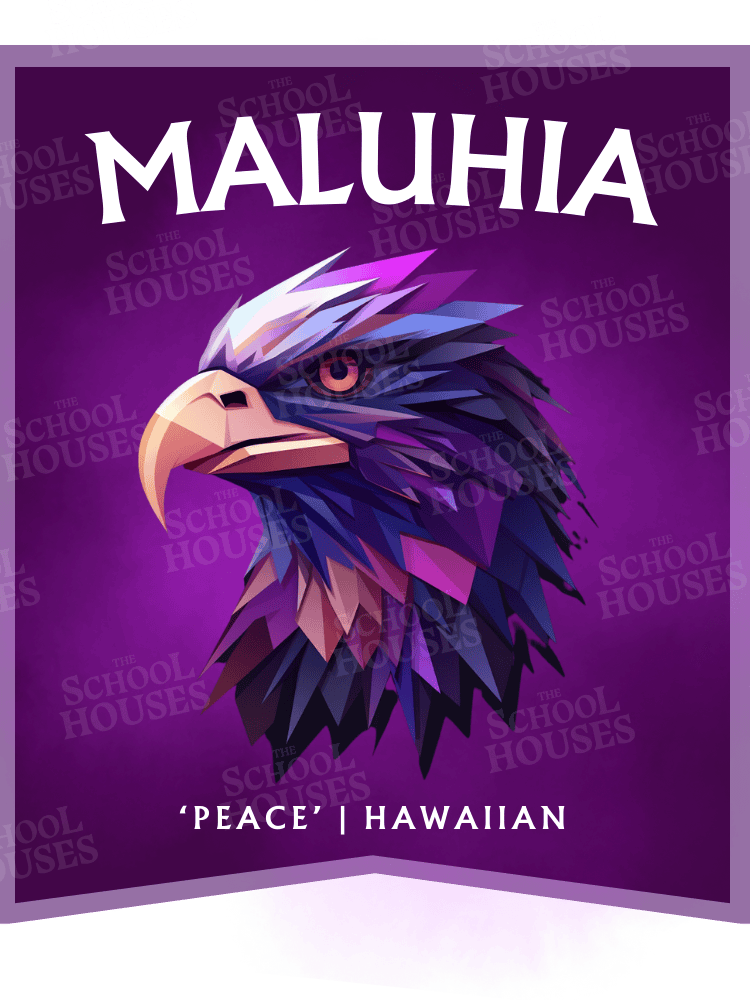
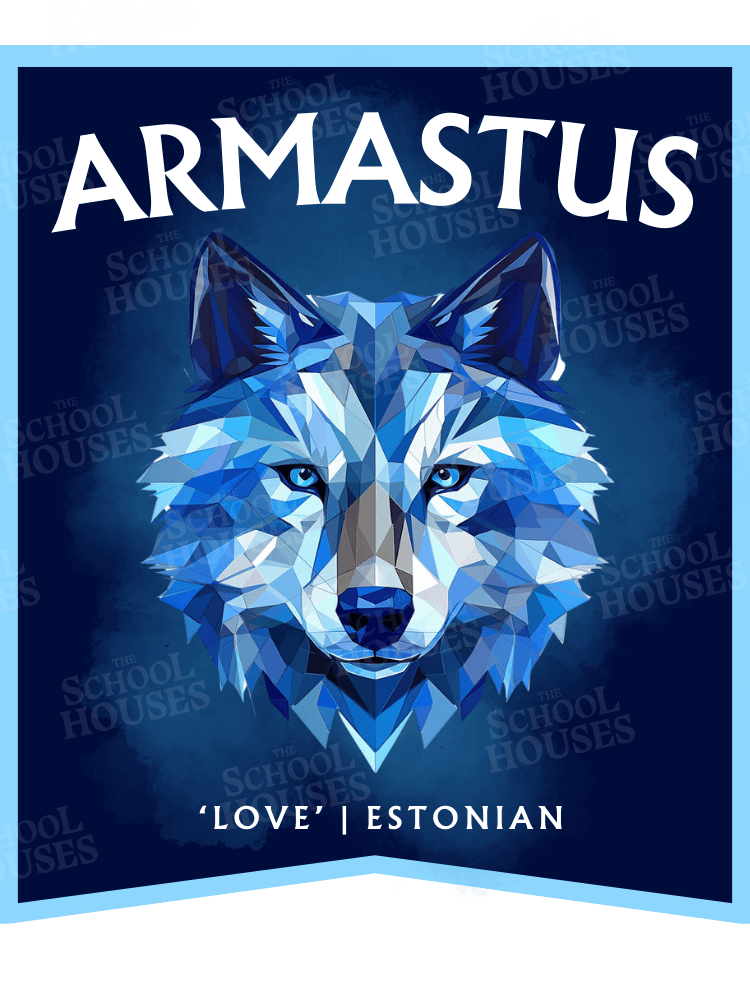
The Guardian Houses provide a ready-made framework that supports this work. With Fedelta (Faithfulness), Kebaikan (Kindness), Armastus (Love) and Maluhia (Peace), pupils immediately understand the behaviours that matter. Because the values are universal and accessible, they avoid turning Houses into identity labels. Children are not boxed into one characteristic; they are encouraged to grow in all four.

If you would like an overview of how a complete House system works, you may find this useful: School House System Ideas: The Complete Guide for Primary Schools.
House Points That Reinforce Behaviour, Not Punish It
Behaviour improves when recognition is meaningful, consistent and clearly linked to the school’s values. A strong House system places character and conduct at its centre while remaining entirely positive. House points should reward the behaviours you want to see more often: effort, kindness, responsibility, helpfulness, teamwork, resilience, calm responses and thoughtful choices. These moments occur constantly in primary schools, and when staff notice them, name them and reward them, pupils quickly understand that positive behaviour is worthwhile.
It is essential that points are never taken away. Removing points mixes behaviour management with House culture, damages motivation and undermines the purpose of the system. Consequences should always follow the school’s behaviour policy, while the House system remains celebratory and forward-looking. This separation is one of the reasons the Guardian System supports behaviour so effectively.
For more detail on linking behaviour to values, see How to Create a House System That Transforms School Culture.
Values That Give Behaviour Real Direction
The Guardian values give staff a simple shared language for reinforcing expectations. Instead of vague prompts such as “make sensible choices,” teachers can refer directly to a value: “Thank you for showing Maluhia calmness,” “That was real Kebaikan kindness,” or “This task needs Fedelta perseverance.” This makes expectations clear and concrete for pupils.
Children are reminded that they can demonstrate any of the values at any time. A pupil in Kebaikan can still show Armastus teamwork or Fedelta resilience. This flexibility encourages growth and avoids limiting pupils to a single value.
You can read more about the values behind the Houses here: Why Our Guardian House Names Are Rooted in Global Values.
Consistency Across Staff Makes the Biggest Difference
One of the most significant behaviour challenges in schools is inconsistency between adults. A House system meets this challenge when it is simple, predictable and easy for every member of staff to use. Teachers can award 1–3 points for moments where pupils go above and beyond expectations, while SLT can award higher-value points for exceptional contributions. There is no cap on points, but leadership should monitor patterns to ensure fairness.
When every adult recognises positive behaviour in the same way, pupils understand exactly what is expected of them. Behaviour improves because the culture is clear, consistent and rewarding.
Competitions That Build Team Spirit, Not Tension
Behaviour is strongest in schools where pupils genuinely want to encourage one another. Regular House competitions support this, but only when they are balanced, varied and fair. A half-termly tournament works well, mixing subjects and disciplines so every pupil has a chance to shine. Academic tasks, creative challenges, sporting activities and teamwork events ensure that the same pupils do not dominate and that everyone has opportunities to contribute positively.
Competitions should be celebrations of character and teamwork rather than pressure-driven events. A pupil who struggles academically may excel in an art challenge or a teamwork puzzle, and those moments often lead to significant improvements in behaviour.
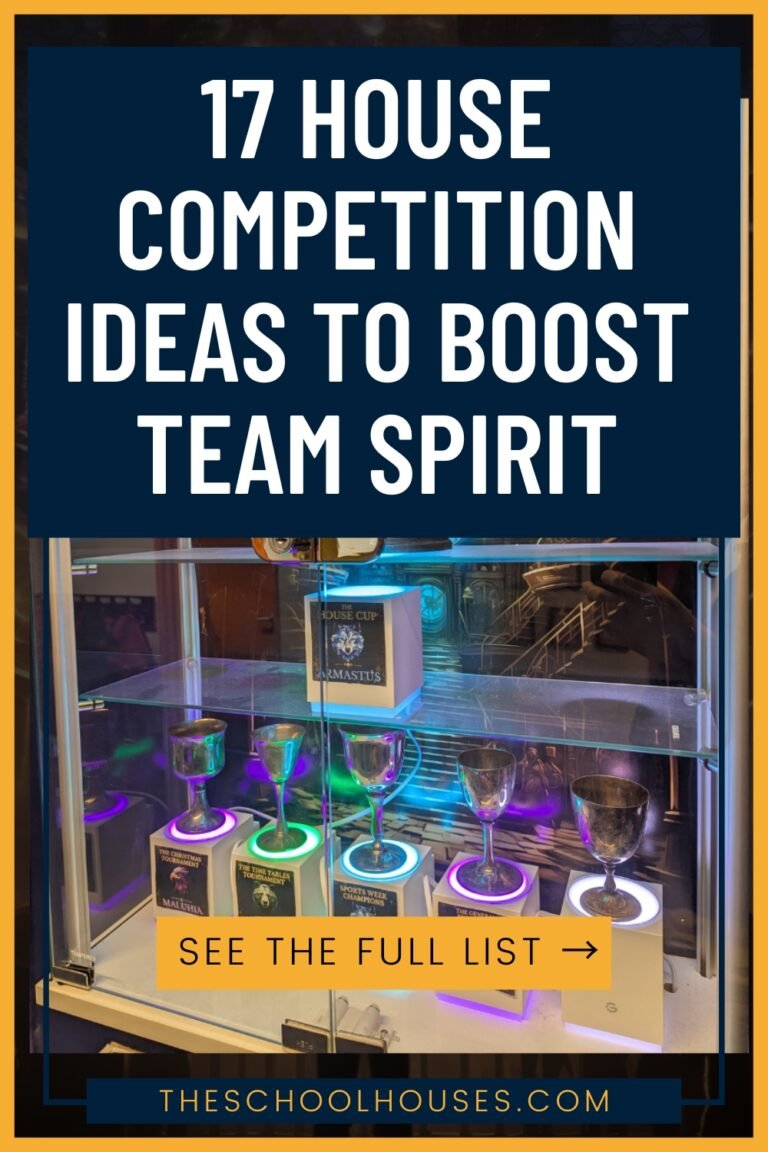
For ideas, you may like 17 House Competition Ideas to Boost Team Spirit.
Visibility That Keeps Pupils Focused
A visible House system keeps expectations clear and helps pupils maintain focus. Displays, banners, House flags, crests, classroom labels and digital scoreboards all remind pupils that they belong to something bigger. The Guardian Houses make this easy because the identity is already coherent and attractive. Children enjoy spotting their House across the school, and that sense of belonging strengthens behaviour.
For display examples, these guides may help:
Leadership That Uses the System Strategically
Senior leaders can use the House system to reinforce behaviour priorities without turning it into a disciplinary tool. If the school is focusing on calm transitions, Maluhia becomes the key value. If resilience is a priority, Fedelta can be highlighted across assemblies and competitions. The intention is not to police behaviour through the Houses but to amplify the values already embedded in the culture.
Attendance should be used carefully to avoid disadvantaging pupils with medical needs. Behaviour improves most effectively when motivation is built through encouragement, belonging and celebration.
A Foundation for a Happier, More Harmonious School
When used well, a House system can transform the atmosphere of a school. Behaviour improves because pupils feel proud of their House, connected to their peers and eager to demonstrate the values that define the community. The Guardian Houses make this process easier, as the structure, identity and values are already in place. Schools can focus on embedding the system, not designing it from scratch.
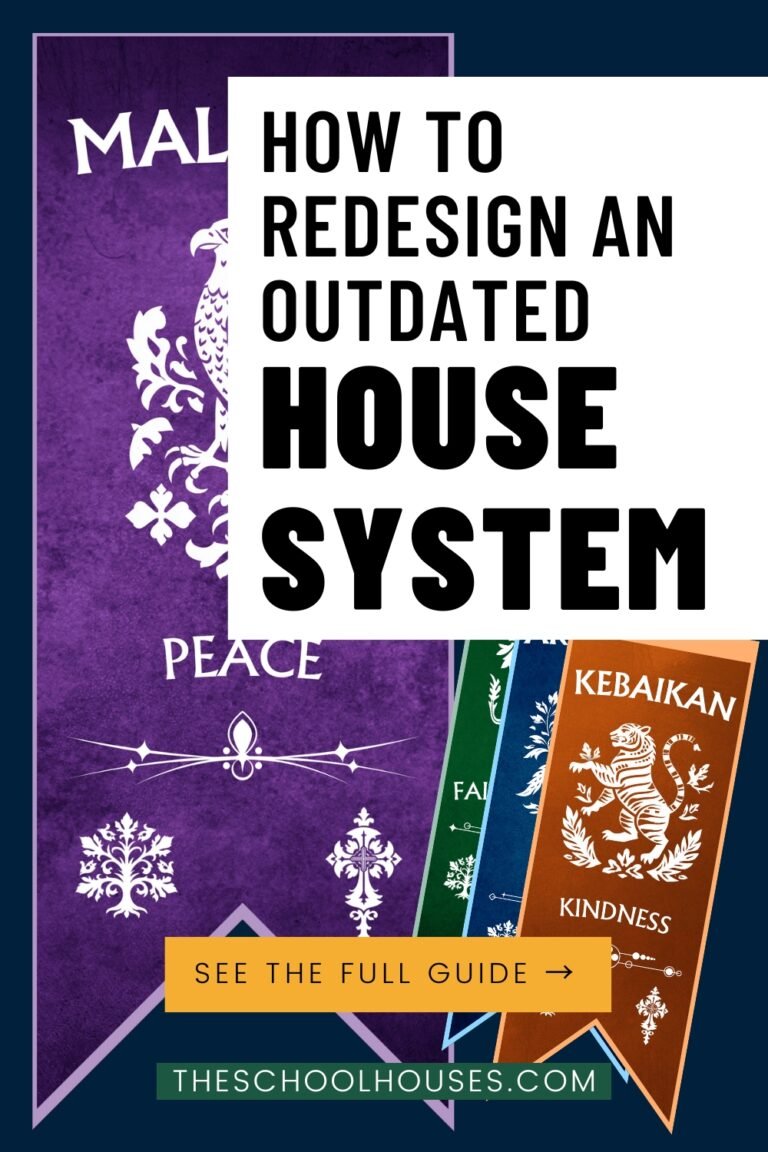
If your system needs refreshing before strengthening behaviour, you may find this helpful: How to Redesign an Outdated House System.