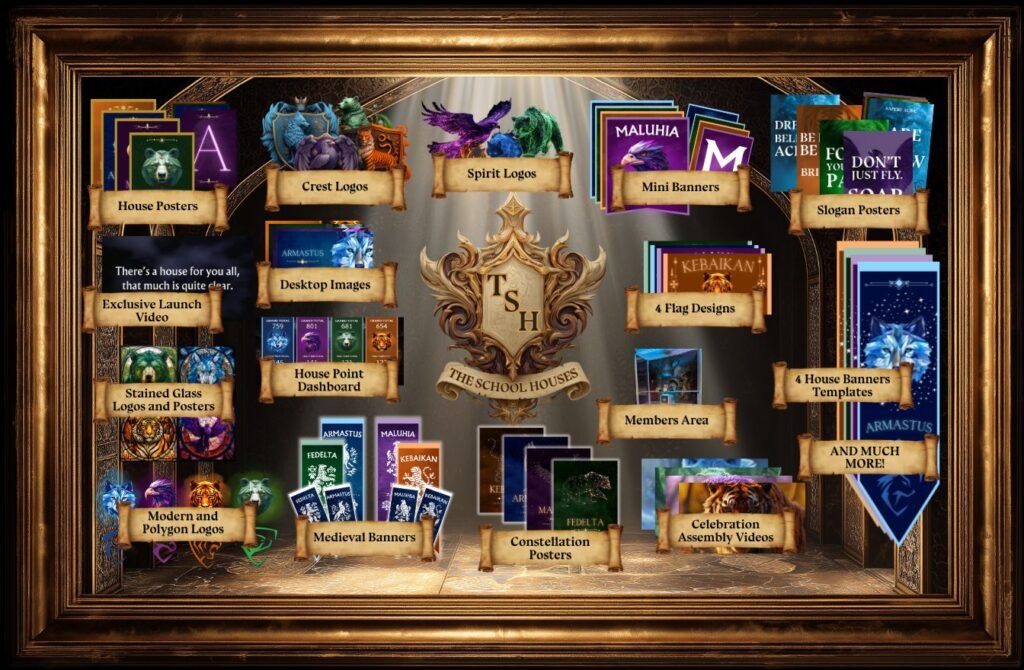

When schools choose House names, they often select local landmarks, trees, street names or historical figures. While familiar, these names rarely give children a deeper sense of identity or purpose. A modern House system must do more than group pupils into teams. It needs to shape culture, behaviour and belonging in a way that is meaningful and accessible to every child.
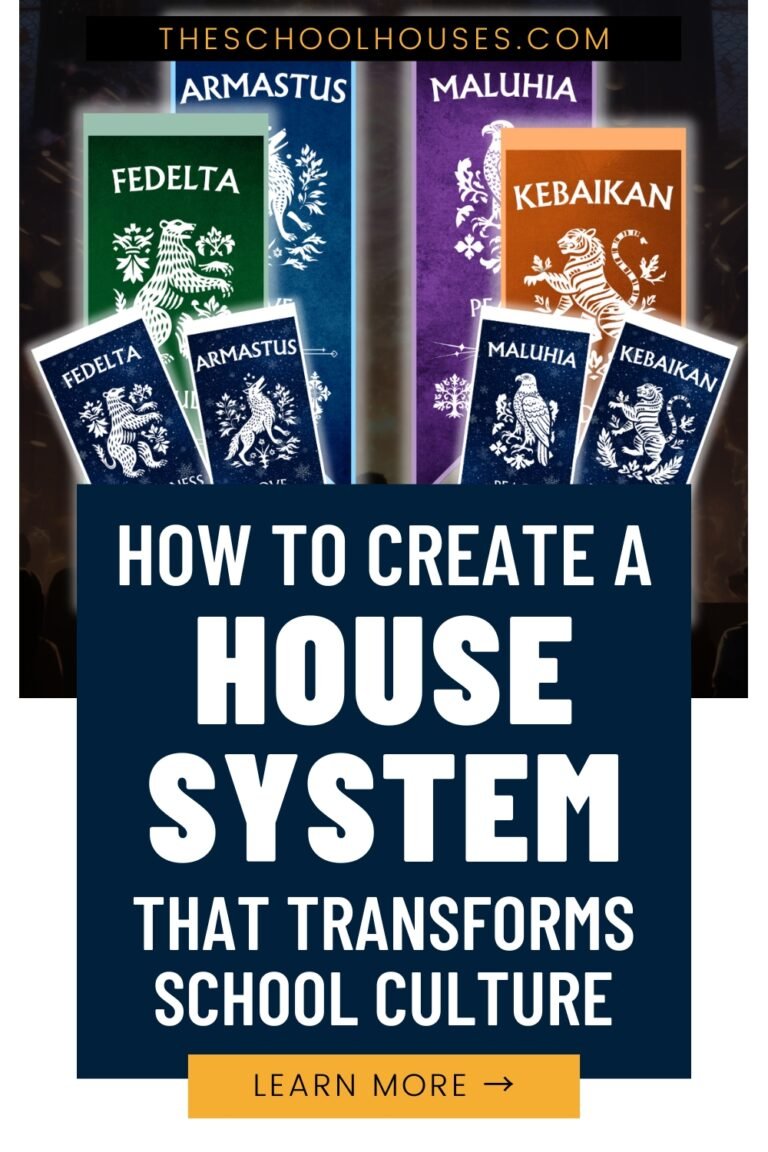
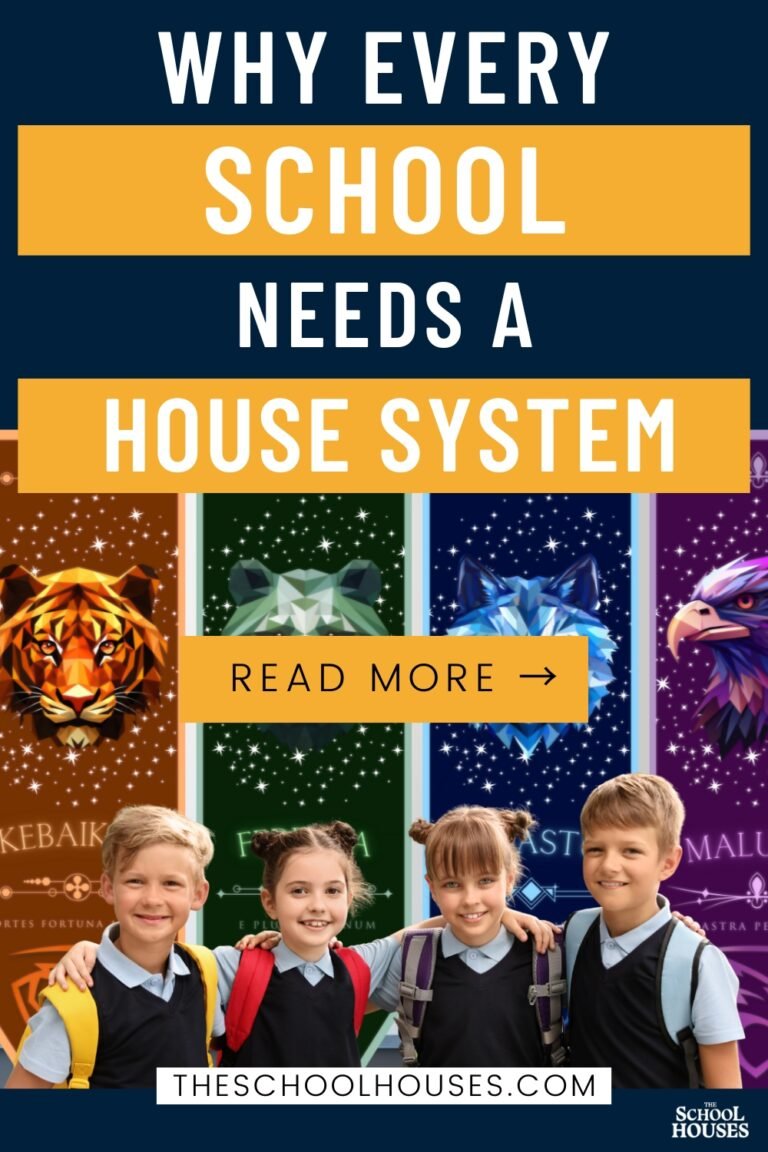
That is why the Guardian Houses are rooted in universal human values that speak across cultures, languages and faith backgrounds. Maluhia, Armastus, Fedelta and Kebaikan are not random labels. They represent qualities that children can understand, practise and recognise in themselves and others.

These values also align naturally with the Fruits of the Spirit, making them ideal for schools with a Christian foundation, while remaining fully inclusive for all communities. They do not confine children to a single identity. Instead, they offer shared aspirations that unite the whole school.
If you would like to see how these Houses fit into a full House system, you may find this helpful: School House System Ideas: The Complete Guide for Primary Schools.
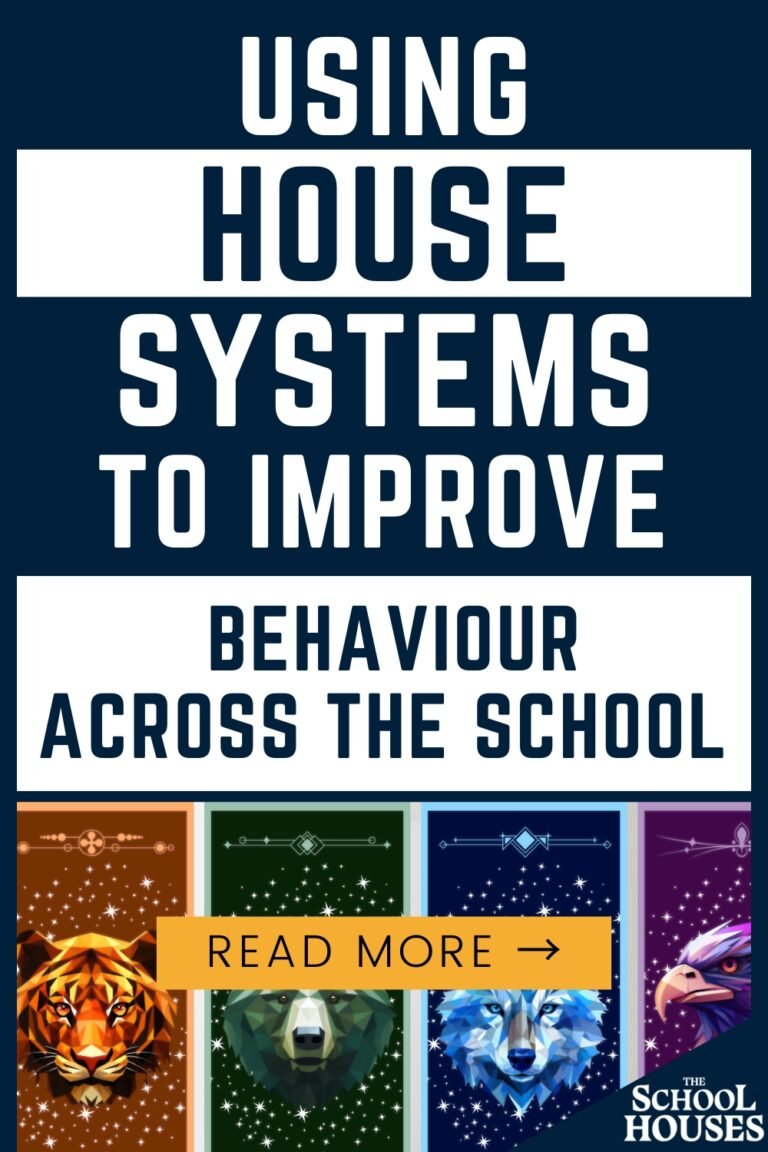
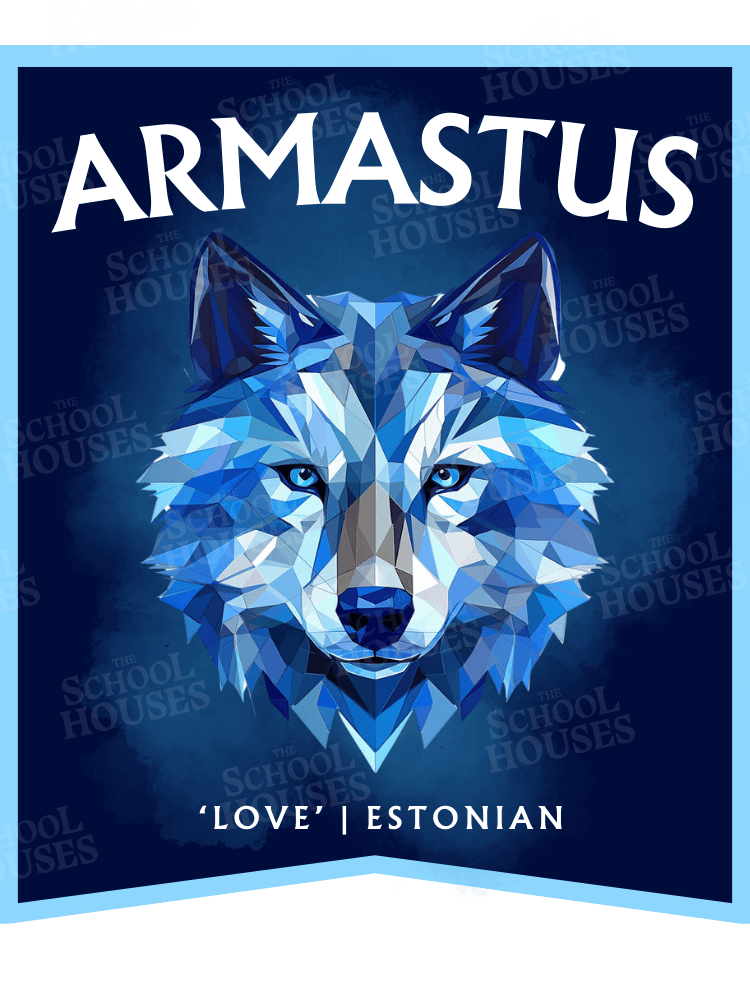
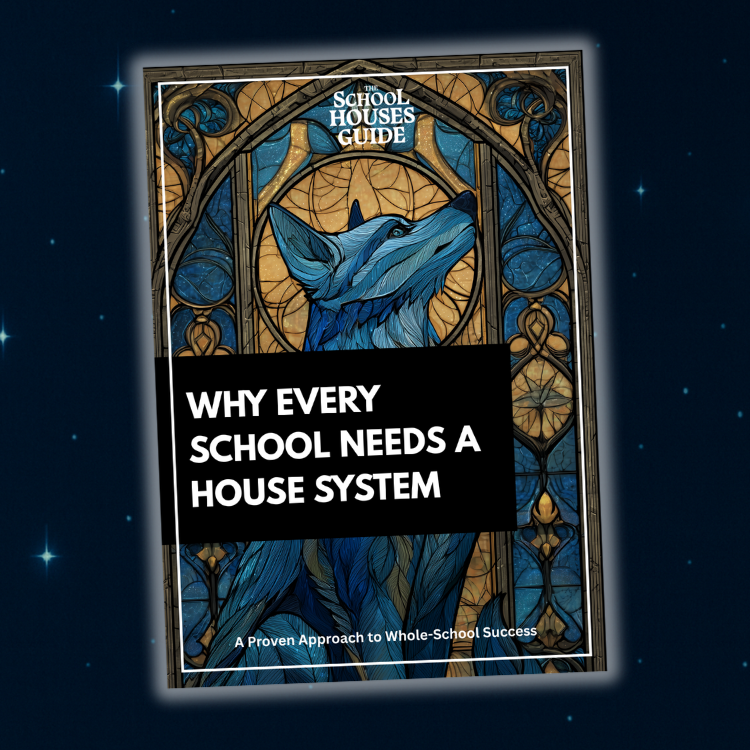
Armastus – Love – Wolf
Armastus is Estonian for love, but its meaning reaches far beyond emotion. It reflects compassion, community and practical care for others. In school life, Armastus appears through kindness, patience, encouragement and inclusion.
For Christian schools, Armastus aligns closely with the Fruit of the Spirit: love. For schools without a religious character, it stands for humanity and togetherness. The wolf figurehead symbolises loyalty to the group, support for others and strength in unity.
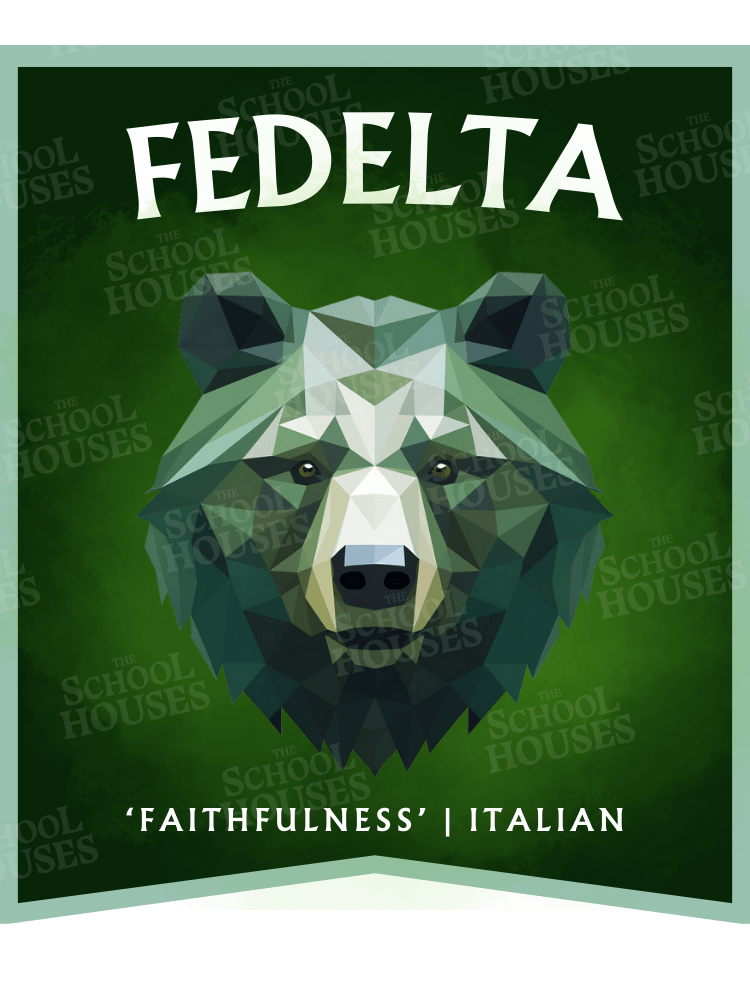
Fedelta – Faithfulness or Loyalty – Bear
Fedelta originates from Latin and Italian, meaning faithfulness and loyalty. In Christian tradition, faithfulness is a cherished Fruit of the Spirit. In a secular context, loyalty is equally powerful. It encourages pupils to stick with challenges, keep promises and demonstrate resilience.
Fedelta helps pupils understand perseverance, reliability and steady character. The bear represents strength, endurance and steadfastness in learning and relationships.
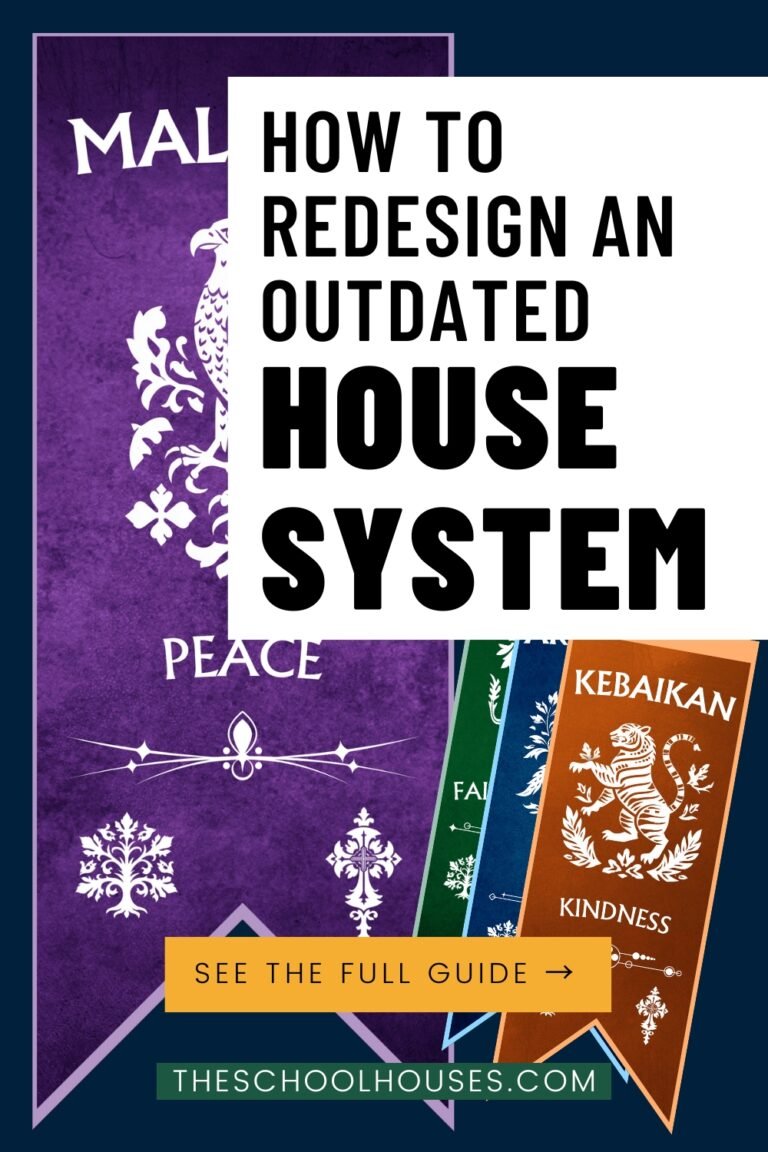
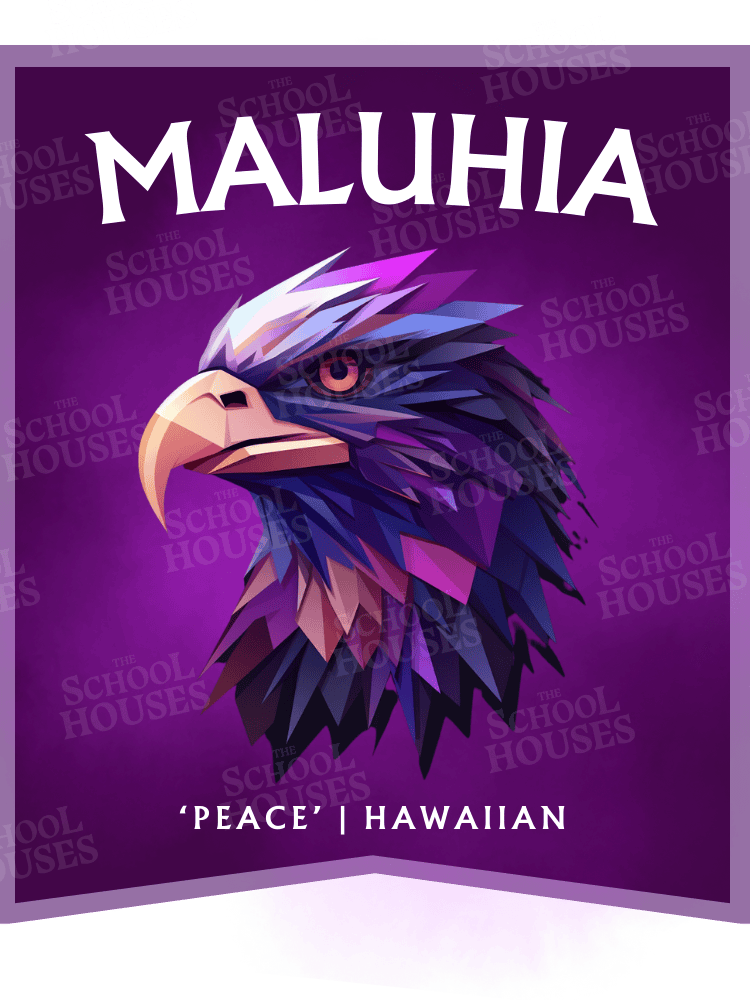
Maluhia – Peace – Falcon
Maluhia is a Hawaiian word meaning peace, calm and harmony. In school culture, peace is not simply the absence of conflict. It is the presence of respect, self-regulation and thoughtful choices. Maluhia encourages pupils to be peacemakers, problem solvers and calm leaders.
It connects naturally to the Fruit of the Spirit: peace, yet its global tone feels accessible to pupils from all backgrounds. The falcon represents clarity, calm focus and gentle strength.
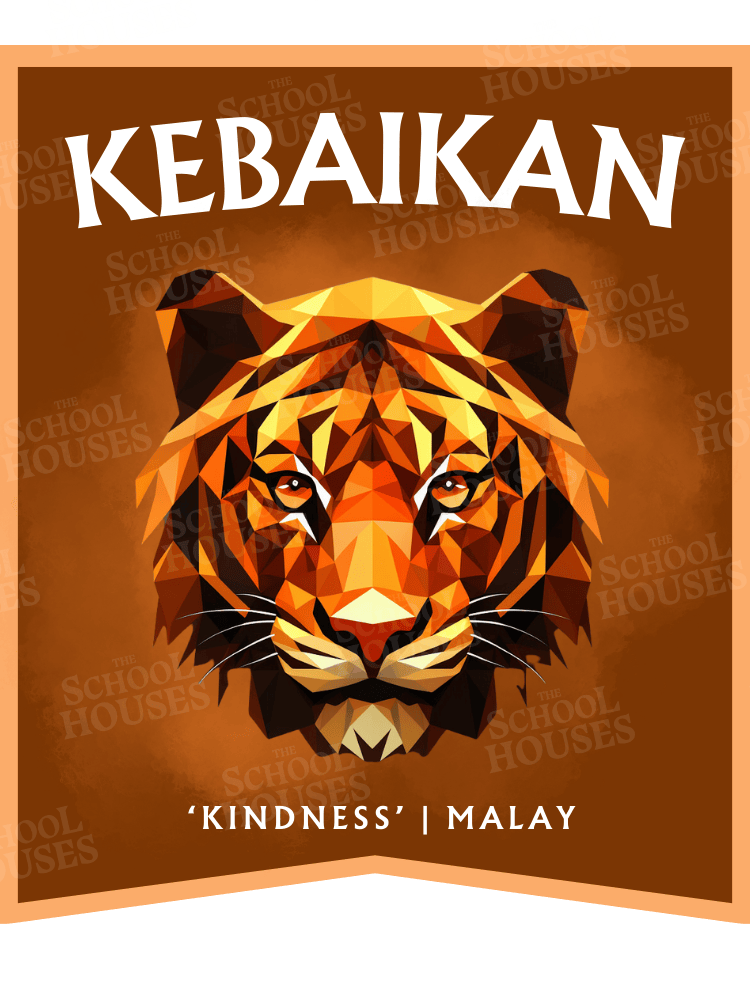
Kebaikan – Kindness – Tiger
Kebaikan is Indonesian for goodness, kindness and moral integrity. It matches the Fruit of the Spirit: kindness, making it ideal for character education. In school life, kindness is one of the most visible and influential values. It builds relationships and creates an environment where children feel safe and supported.
The tiger reflects the courage required to be kind—standing up for others, choosing gentleness and doing what is right even when it is difficult.
Values That Belong to Everyone
A core principle of the Guardian System is that no House owns its value. A pupil in Fedelta is not expected to carry all the perseverance. A pupil in Kebaikan is not the designated kindness representative. Every child can demonstrate every value at any time.
The Houses are figureheads, not identity labels. This keeps the system fair, inclusive and focused on growth. It also prevents the common issue where a House becomes known as the sporty House, the smart House or the well-behaved House.
Instead, all pupils share the same aspirations: to be peaceful, loving, loyal and kind.
Why Global Values Work Better Than Traditional Names
Many schools tell us that their old House names felt disconnected from behaviour and character. Names such as Oak, Redgate, Pendleton or North House do not provide pupils with guidance on how to act. Children cannot model themselves on a tree or a street.
When Houses are rooted in values:
- staff have a clear language for praise
- behaviour becomes easier to reinforce
- pupils see the values daily in displays and figureheads
- competitions and assemblies gain purpose
- the House system becomes a culture-builder, not a scoreboard
Whether a school has a Christian foundation or a secular ethos, global values give children a shared moral language they understand instinctively.
A System That Deepens Culture Without Creating Labels
Values-based Houses strengthen school culture because they inspire behaviour rather than label it, remain inclusive for all pupils and reflect global languages and traditions. They also align naturally with the Fruits of the Spirit, supporting character development in a simple, accessible way. Children grow most effectively when they have a model to aspire to, not a mould to fit into.
Maluhia, Armastus, Fedelta and Kebaikan are more than House names. They are living values that help pupils understand who they are becoming.
If you want to refresh your system before adopting the values, this guide may help: How to Redesign an Outdated House System.